Kupo Cafe Game Awards 2025 Day 3!!
Welcome in, and enjoy our thoughts of this year in gaming~!!
First, a word from your celebrity guest star appearance - Klonoa!:

Wahoo~!!
Better on Different Hardware Award - Final Fantasy Crystal Chronicles: My Life as a King by Square Enix
Presented by Moguri
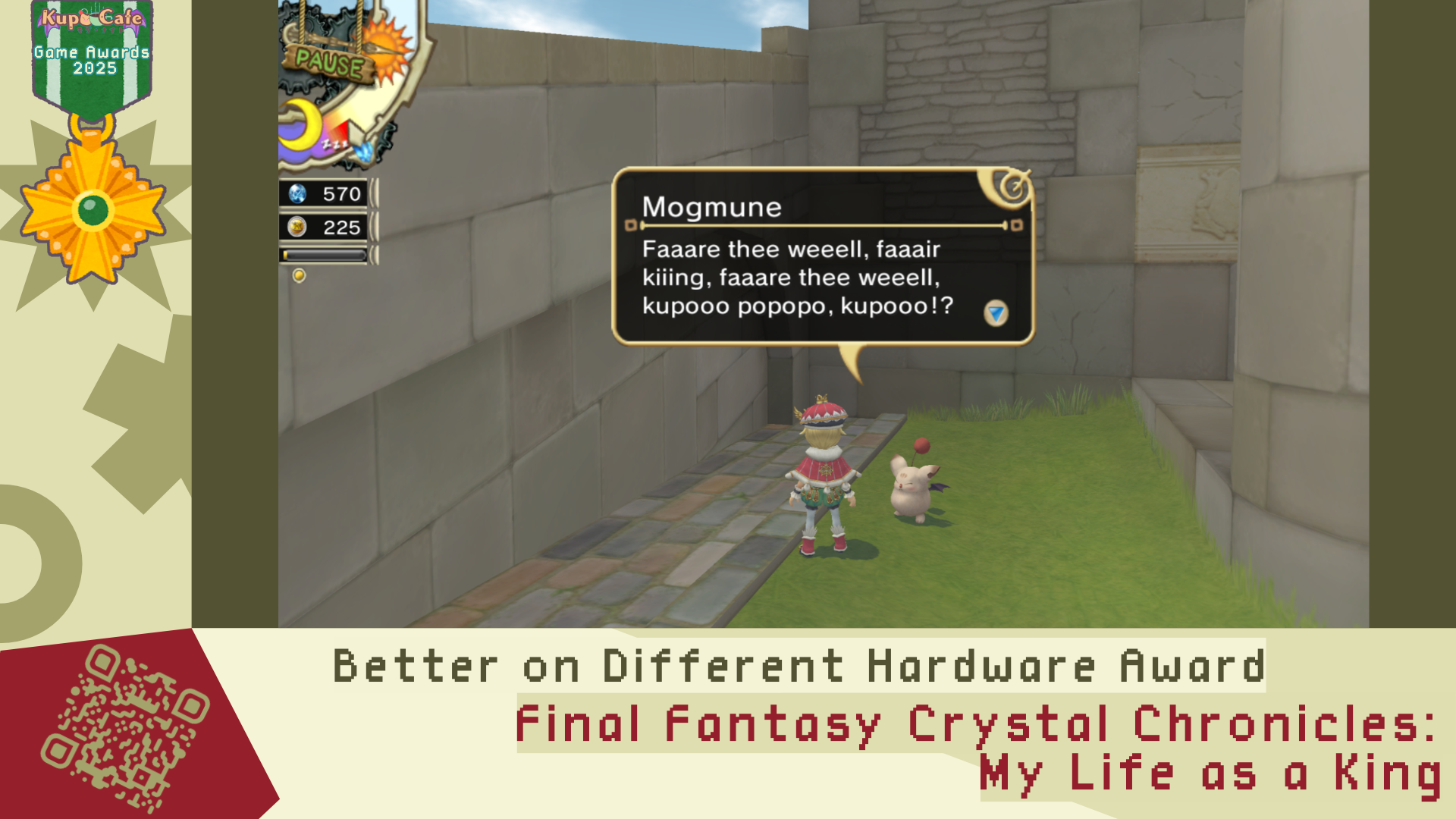
As a young lad I was enamored by the Final Fantasy series, with my first one starting with Final Fantasy 7. The vibe and ãesthetic really stood out to me, a mix of cold industry and technology combined with punk and radicalism that constantly contrasts with warmth and community and what it means to not just be alive but also to live. As I experienced more Final Fantasies, at the core of it all it's all just contrasts. Good and evil and everything in between. After all, that's why these stories are so interesting, right? The conflict of it all.
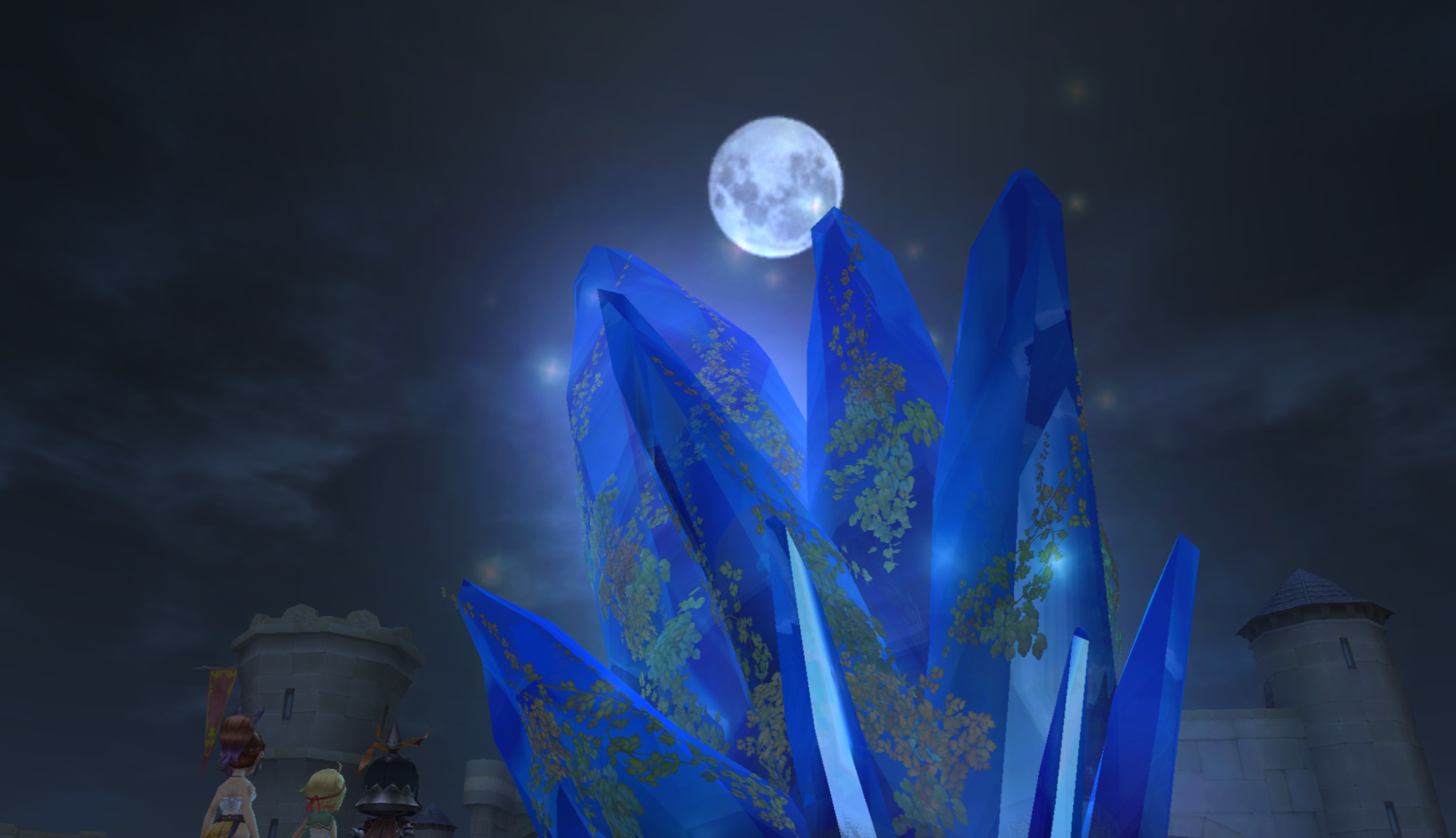
My two other favorite Final Fantasy games, or worlds in this case, belongs to Final Fantasy Tactics Advance and the world of Ivalice (or in this case, storybook Ivalice) and Final Fantasy Crystal Chronicles. In the case of FFCC, the combination of caravan tribes and the idea of saving your village from basically an apocalyptic event year after year was so... super cool to me. The music, the art, the world: the overall aesthetic just resonated to little old me at the time. One day I still want to beat it with some friends. I tried once and they didn't take it as seriously as I wanted BUT this game is not very intuitive or forgiving so I get it. One day...
Although there were games on the DS in the FFCC world, they came out at a time when my focus was away from video gaming. Also I wasn't at a spot where I could buy games so frivolously as a wee kid, especially since Blockbuster was 15 minutes away. Gotta pick and choose, you know?
One game that did come out that I bought with some spare Nintendo Shop points though was the city-building and management game: My Life as a King. Besides the RPGs and various FPS games I played on the PC and other consoles, I fell in love with the building and management genre as well. When this game came out, I was super excited for it. A match made in heaven, they say.

I played the heck out of it, sitting in front of the TV, Wiimote and nunchuck in hand, reading the blurry text on my modest-sized CRT. You not only have to restore a former castle town back to its glory but you, as a tiny king in the footsteps of his father who has disappeared due to mysterious circumstances, are able to send adventurers to complete quests in the various dungeons and areas. You assign these tasks through a bulletin board, they decide to take them or not, they go out to complete the quests (or come back defeated), and they get paid. All the while, you build up the town by creating buildings in thin air and Final Fantasy magic and talk to your villagers to build morale which then upgrades your castle even more. As the quests get completed, you unlock more buildings and this loop grows to where eventually you'll unlock more of the story of your father's disappearance.
It could be because me sitting in front of the TV holding out the Wiimote, or my undiagnosed ADHD, or the fact that the game starts off soooo slow in terms of progression that I fell off from it. Other things on the Wii probably caught my eye. Remember Elebits? I do. Anyways, it wasn't until later I got a modded Wii that I tried it again and the spinoff My Life as a Demon Lord too. Same thing, it was sooo slow at the beginning that other things caught my eye.

Here I am now though with about half the game completed and with a commitment to see the game through to the end. Through the power of emulation and the power of a dual-screen handheld console called the AYN Thor, this is all possible. I think a lot of the things that lost my attention with the game have now become more accessible for me. When the gameplay loop is too slow, I can just put on a video or a podcast. When whatever I'm doing is too slow, I can just open up my Thor and quickly hit play and get a few in-game days of progress in. I am also a bit older and wiser compared to my youthful self, so I can actually read what's on the screen and play with a bit more speed.
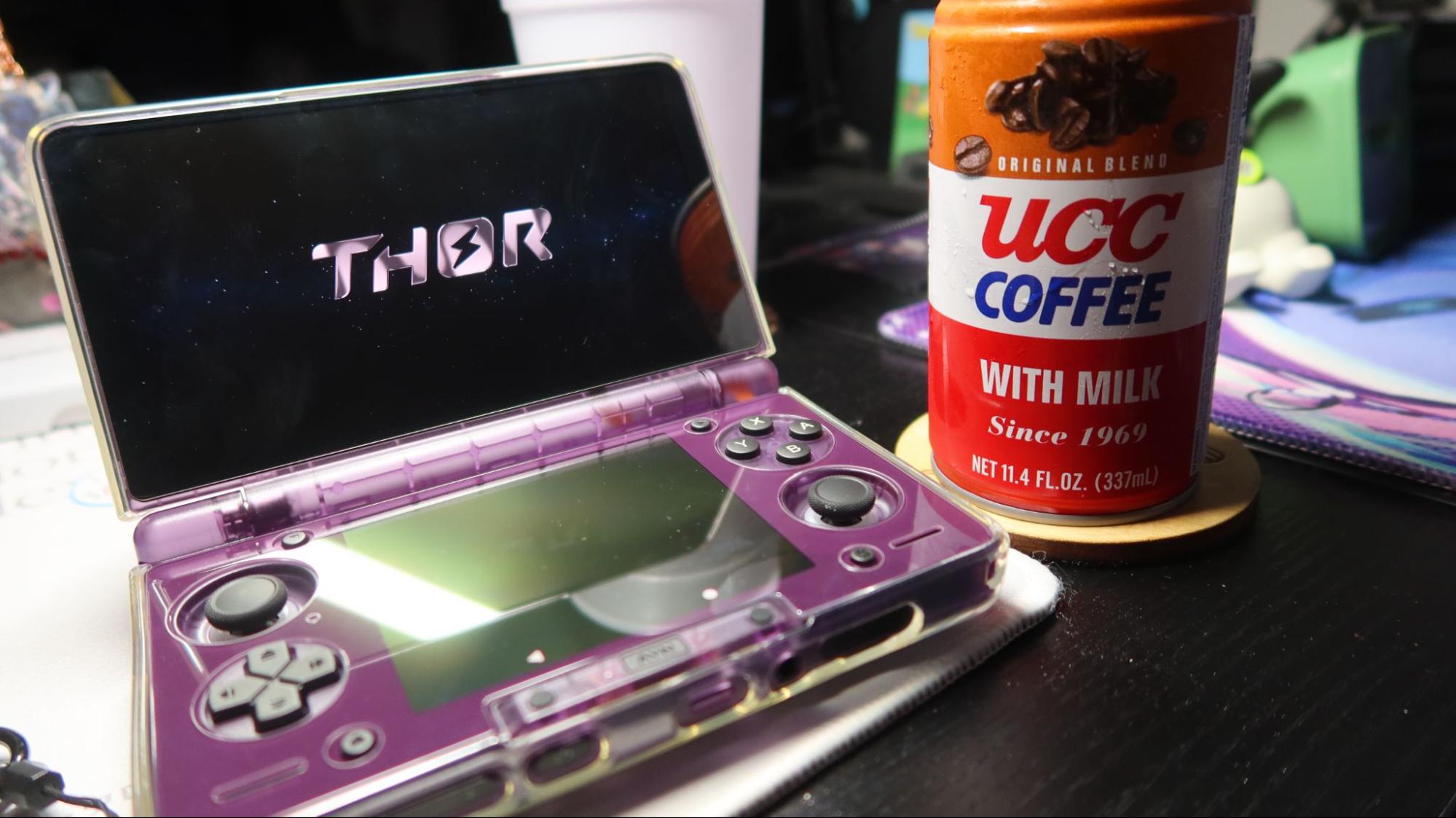
Because of the beauty that is handheld Android devices, I can now play and beat this game I loved so fondly back then and experience it in a way I haven't before. Ever since I got my first one of these, a Retroid Pocket 2, I found a new love for games not just of my past, but all these retro games that I never got to experience. Sure, it's not the pure experience. But the more ways a game can be accessible to more new or old I think the better.
I can't wait to get more mileage out of the Thor. The DS-style design just makes it a perfect desk companion. And now, I have a better chance of finally completing a game for once. From a blurry CRT TV to upscaled on an OLED and a controller that's so much more conventional for the game, for me this is a better way to play this game.
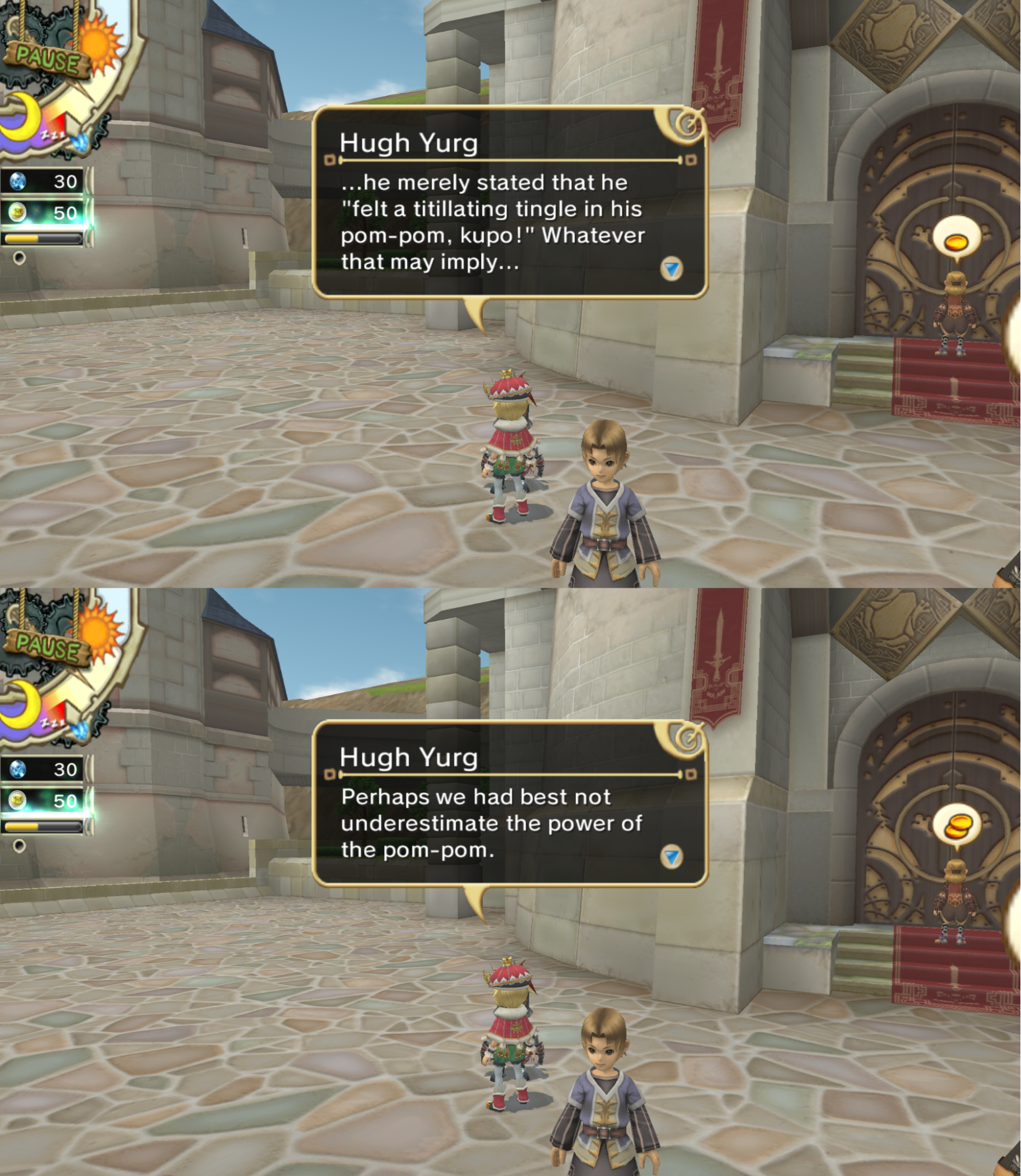
Old Internet Memories Award - Whisper of the House by GD Studio
Presented by Moguri
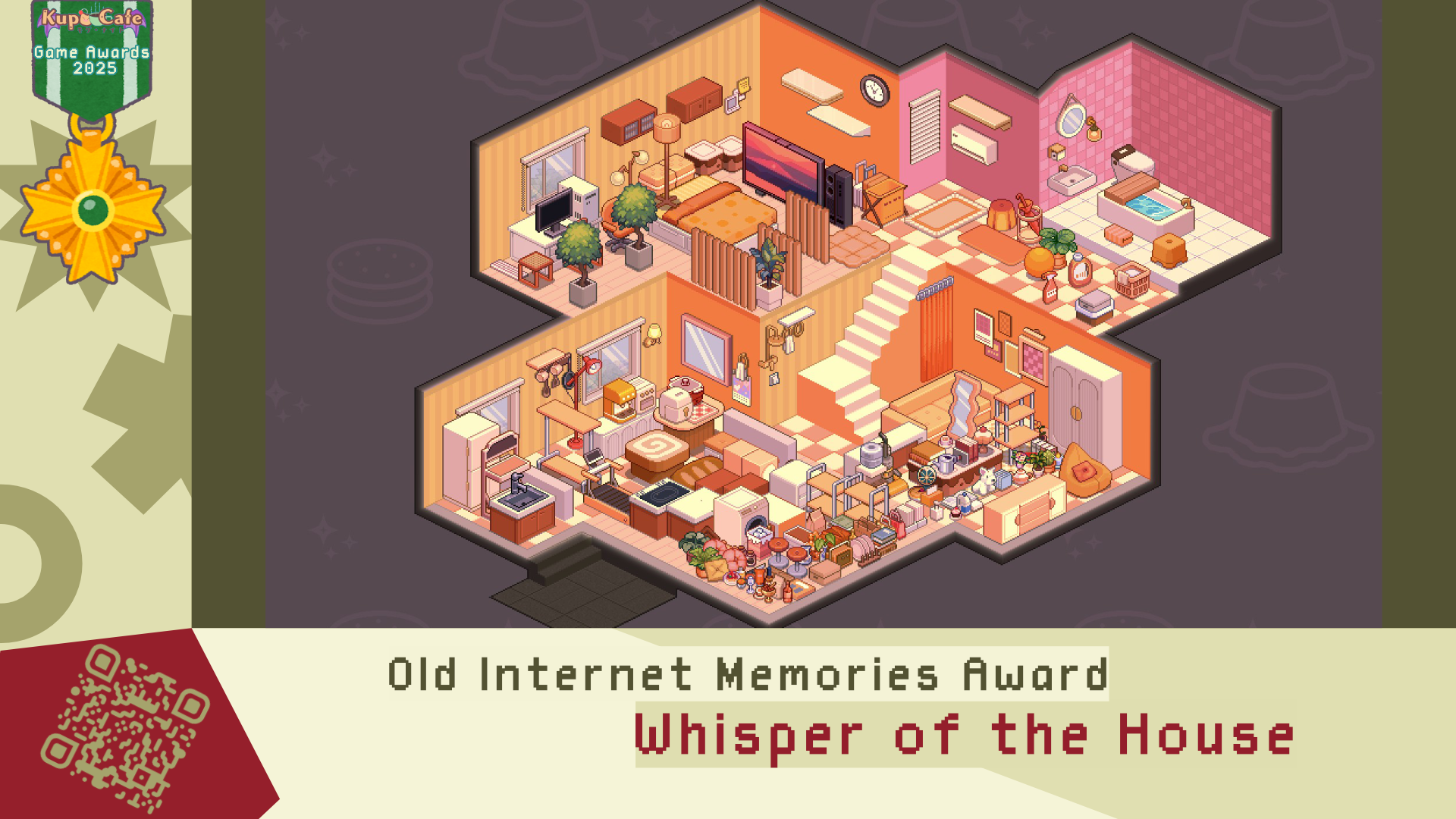
A long, long time ago there used to be a game I played that was hosted by the Coca-Cola Company. The idea is that you are a music DJ and you can produce beats in the game, for fun and I think for its free currency points thing. Of course, with a free currency, there is a paid currency as well. You could pay into the paid currency, or you can buy a Coca-Cola product and under the cap there was a code you can redeem for furniture or coke bucks or whatever they were called. My grandma and grandpa, bless their souls, would take walks and do the thing where they dig through trash cans for recyclables and me, in turn, would dig through their haul for these codes. With all the cool furniture I got, you could decorate an empty isometric room with so much Coke stuff that you would think I was some kind of high-level plant manager. Oh, also you can make beats and music too, save it and play it in certain rooms to a crowd. I think you can get tips too.

Games that followed that formula like Habbo Hotel and Club Penguin and Gaia Online to even games like Graal where you get to decorate a house were certainly a vibe. A combination of a social hangout and a space to express yourself. A concept that today lives on in different ways, but in its core has all the same elements. Creating a sense of belonging.
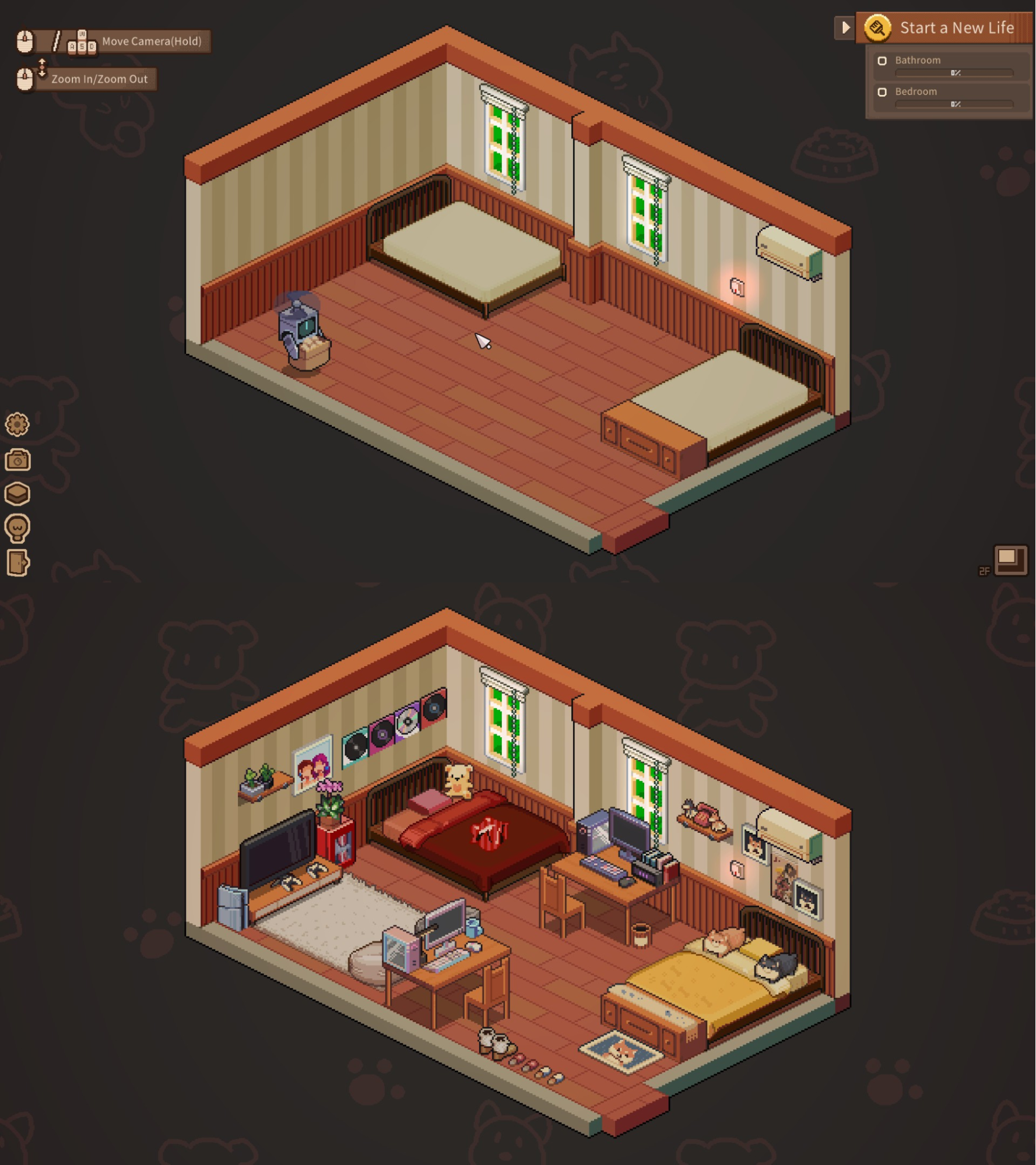
When I first booted up Whisper of the House, those memories resurfaced in a way I didn't expect. The premise of the game is that you are a magic home designer who has arrived in this town to take on these bulletin board tasks and solve people's home problems. Some range to a simple design/redesign. Others range from finding certain items hiding somewhere to reorganizing an entire room to place down these furnitures in a certain way to clean up this abandoned property. All the while, there are secrets to be found, things to interact with, and these glitchy, corrupted patches that you can fix by clicking the heck out of them. Which then ticks a countdown inside the giant town pyramid which has all the items you fixed from the corruption. Strange things are happening throughout this town, but pay it no mind for now.
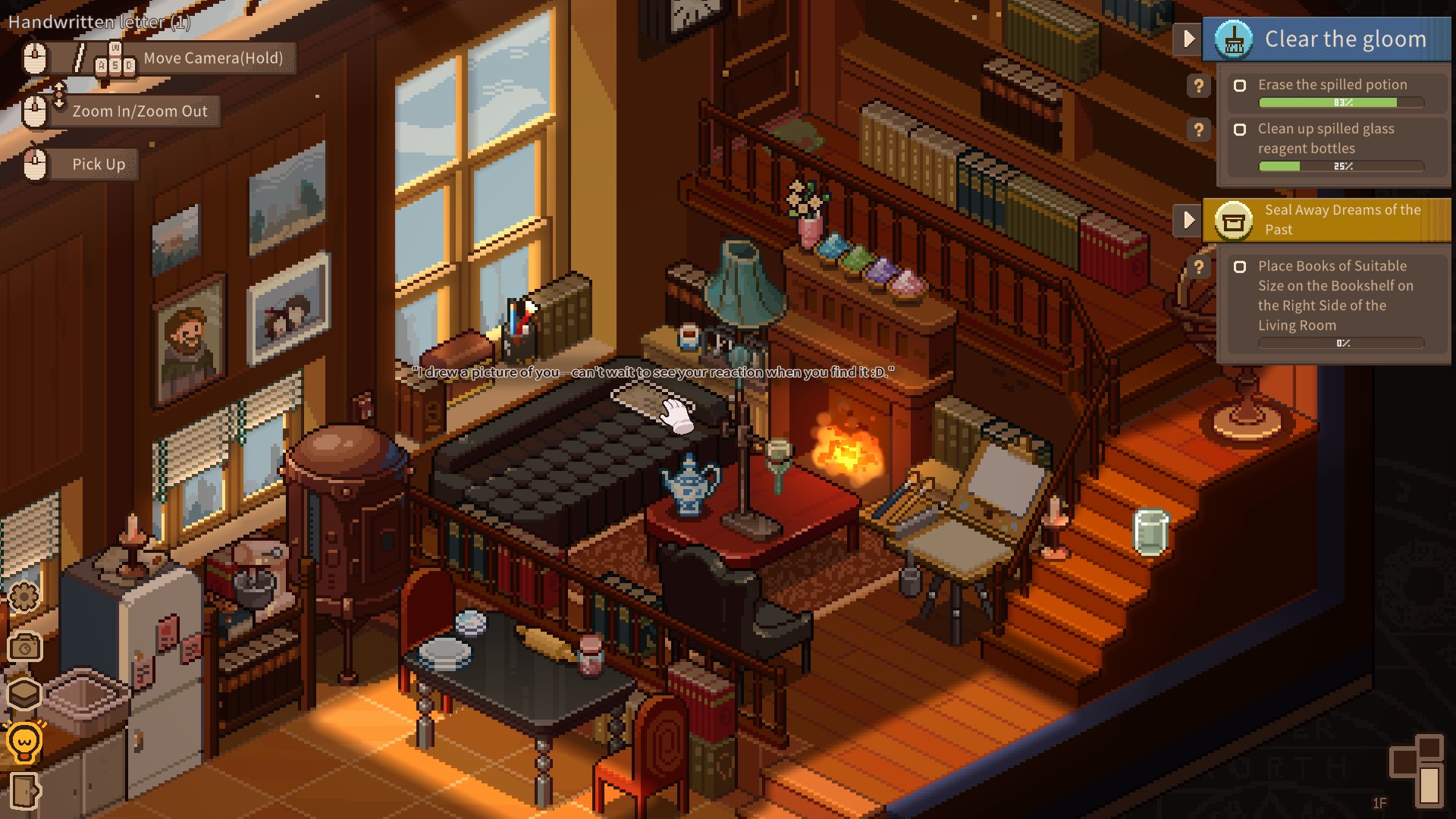
This game combines narrative, grind, and comfyness all in one which I really do enjoy. Well, not so much the grind and the "gacha/lootbox" style of getting furniture. Luckily, the currency is easy to get, and it only really matters for the houses and spaces you own rather than for the various jobs. Most everything is interactable, there are puzzles you can solve that are not part of the main job which makes things feel rewarding, and just being able to express yourself through designing a space is a reward in itself. While it may seem simple, and while there are other home designer games out there, the fact that there are these little vignettes of home and community life in almost every one of these little bulletin board missions and a lot of story done implicitly through all the little items just really sets this one apart from the rest. For example, one of the first homes has this secret hidden room that when I found it scared the heck out of me. But there's a hidden way where you can find the occupant of that room, and the hints are there. It does have a happy ending though, I swear. Another mission you take has you discovering the lab or space of a man who loved the deep sea and had imaginary friends or maybe real friends that he left behind when he moved out. It's unclear, but that's the fun of it. Again, this town is a weird one. But at the end of the day, aren't we all?

They Do Make Them Like They Used To Award - Easy Red 2 by Marco Amadei and Corvostudio
Presented by Andrew
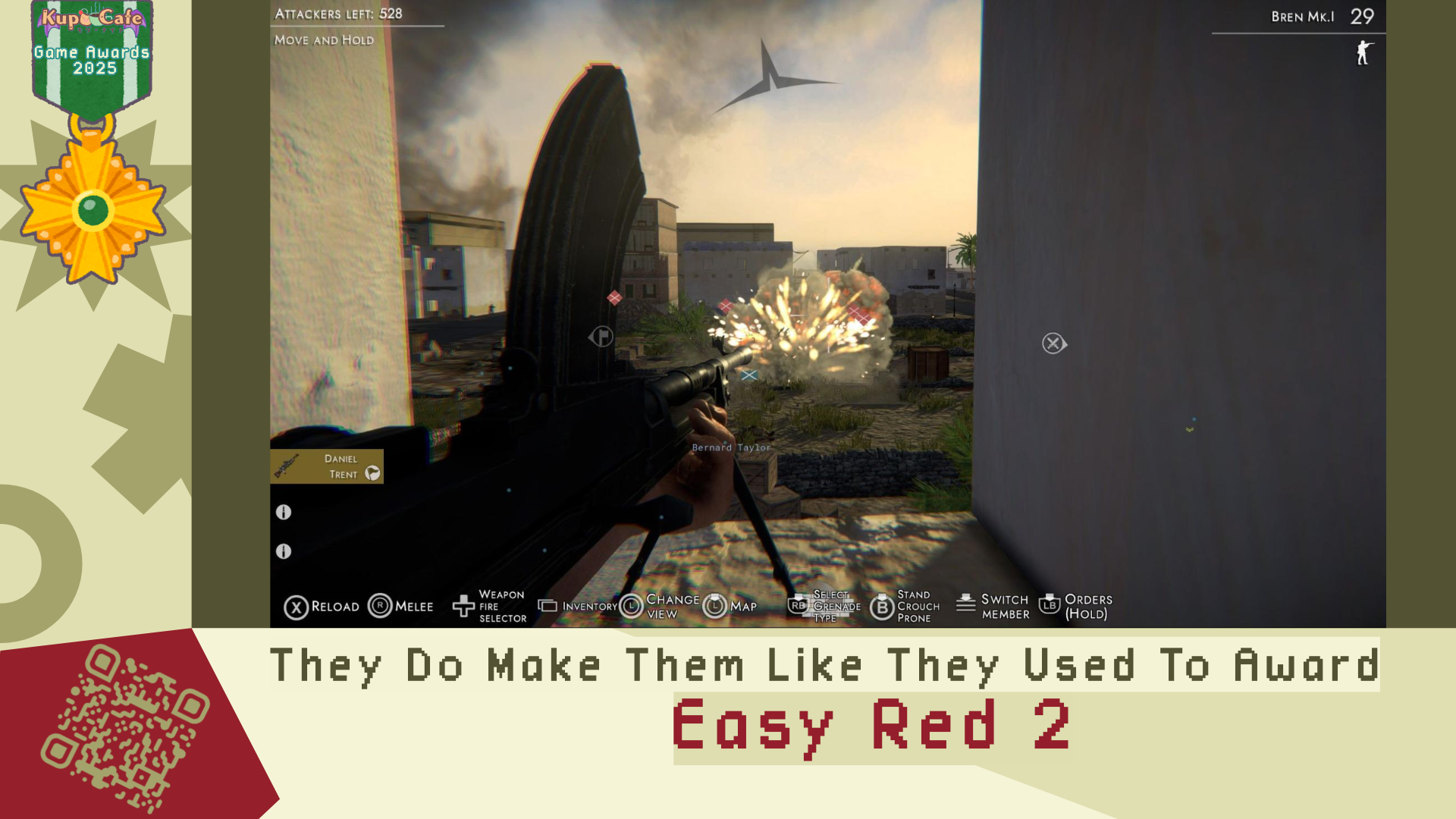
As I am now solidly in my 30’s, I have developed a few oldhead gaming takes that have really cemented in the last few years. One of those being that the age of World War II shooters has eclipsed and has sunset into a distant genre in the FPS category, as most AAA studios have moved onto more modern or near-future settings, there are people like me who still yearn for the bolt-action rifles and small infantry tactics of my youth. I felt that every couple of months I would just look up “Best WW2 FPSs” and see the same tired list that I saw every time. But somehow this year, I saw the title Easy Red 2, and some forums spoke really well of it, and especially its commitment to authenticity to the firearms and the equipment used during that time. I found it, and was stunned at the price. $9 dollars for the base game, and $6 dollars for each of its of four DLCs. I have been too used to the Paradox $30 DLC that will make the game worse, but this is a bargain of a lifetime. Easy Red 2’s campaign mode sprawls across almost every major theater of the war, with multi-mission paths that see offensives and defences from the beginning through their end. It is generous to say the least.
The game doesn’t really need a lot of fanfare for what it is doing. You select a theater/campaign, and you start at its logical point, be it a landing, a parachute drop, or a spearhead, and most often you will follow in every major beat and battle of that time period, both as the Allies and the Axis. You select a soldier from the various classes, from Squad Leader to Medics and Sharpshooters, or a tank crew or pilot, and your objectives are pretty clear. Capture and clear a point to advance on these beautifully expansive maps, and defend your position from the onslaught of enemies. I have noticed it is a lot easier to attack than defend but the game is constantly getting reworked and rebalanced to try to find a better balance.
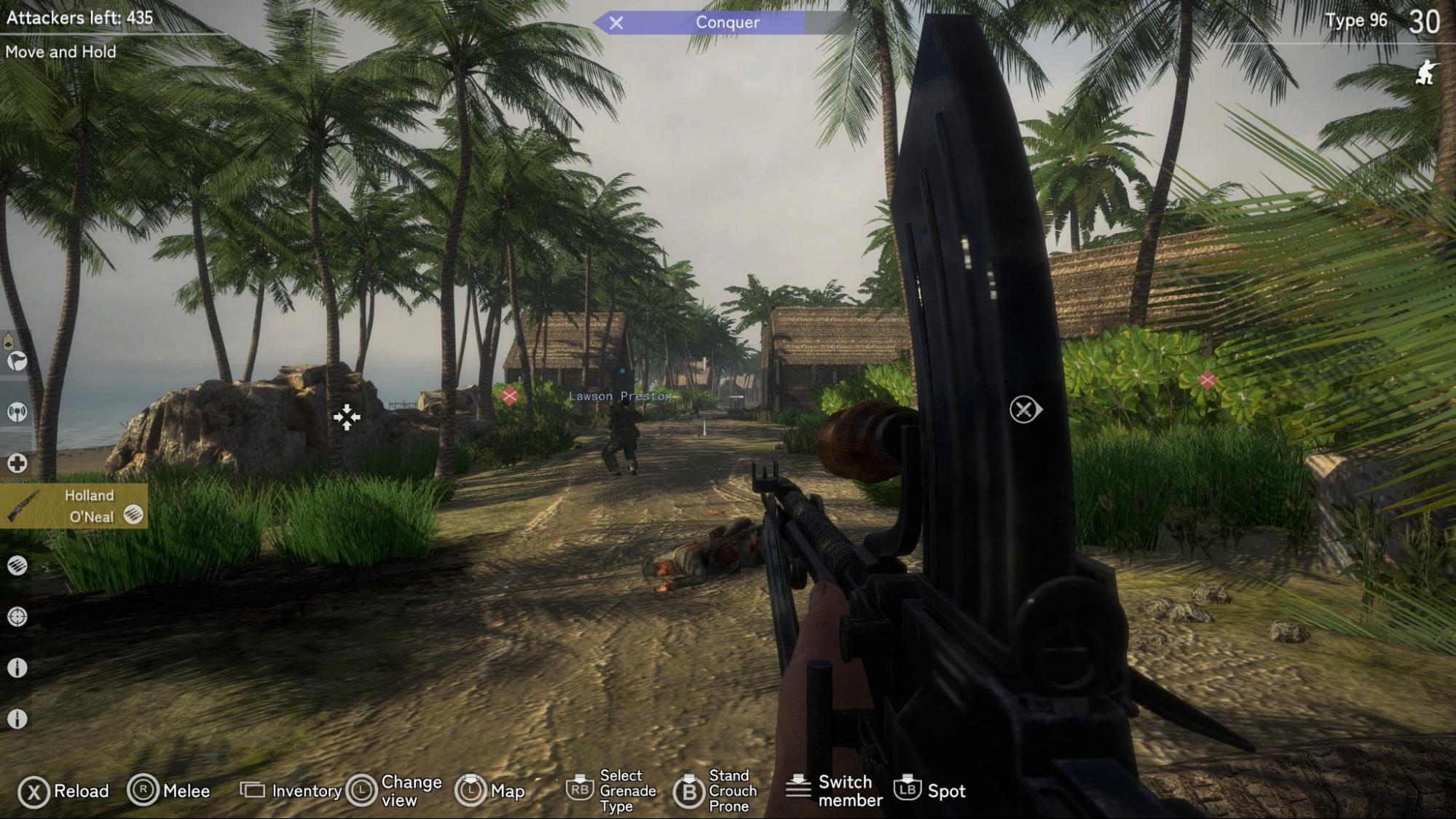
What really won me over this year was just the breadth of content available for this game. At this point ER2’s base game contains over 75 missions not including the DLCs that add easily another 30-40 missions. From rarely depicted scenes such as the Invasion of France to the North Africa campaign to their take on D-Day and the Eastern Front. Not only that, the developer is constantly updating the game and adding new content. Recently, parts of the Italian Campaign focusing on the fighting around Monte Cassino were just updated, to just announcing they would be including late war battles such as the Hungarian Campaign, and the Tunisian Campaign after the success of Operation Torch. I can’t fathom how starved sickos like me have been for an all-encompassing WW2 campaign of this magnitude.
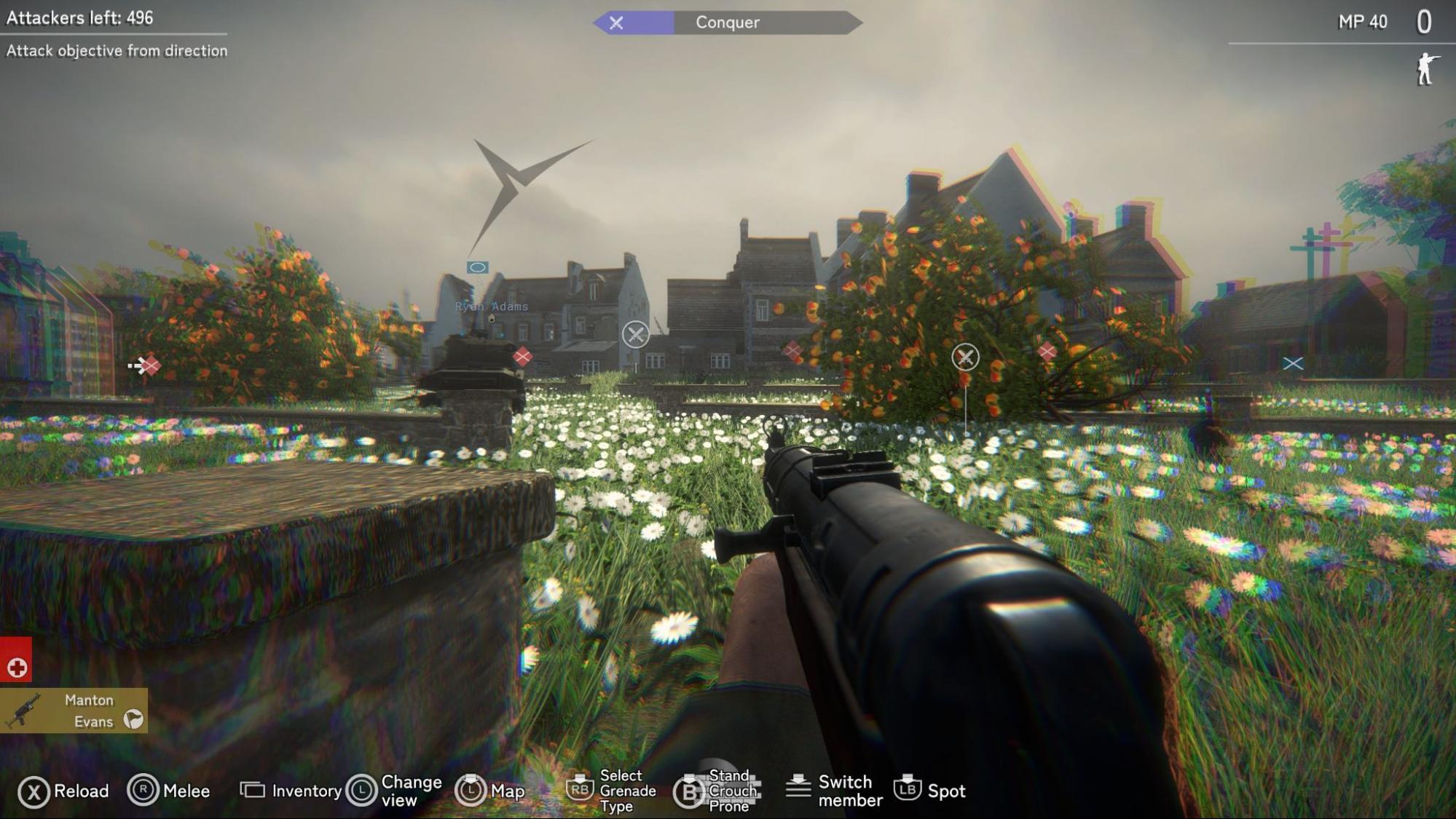
In the end, ER2 leaves a twinkle in my eye. I can look fondly and jump on and off to play a bit. For writing this review I had to take some screenshots, and I ended up replaying some early levels through just because it felt so natural to play.
To be a little more serious, in this time where knowing and understanding this conflict is more important than ever. Where some clamor for war, memories of the violence and misery that these people went through must be remembered. As much as this is a game, it is also a memory of what we let occur in our histories. Yes, these were times of heroics, but also of undeniable death and suffering. This game does something interesting when you die, instead of telling you to watch out for grenades, it gives you a name, birth and death year of the soldier you were playing as. A small touchstone of the many, many lives lost.
In short, if you have any affinity for the WW2 shooter genre, this is an easy pick-up. From its diligence in modeling weapons, uniforms, armor and artillery. They do in fact make them like they used to, and sometimes better. One of the truly great deals in gaming.
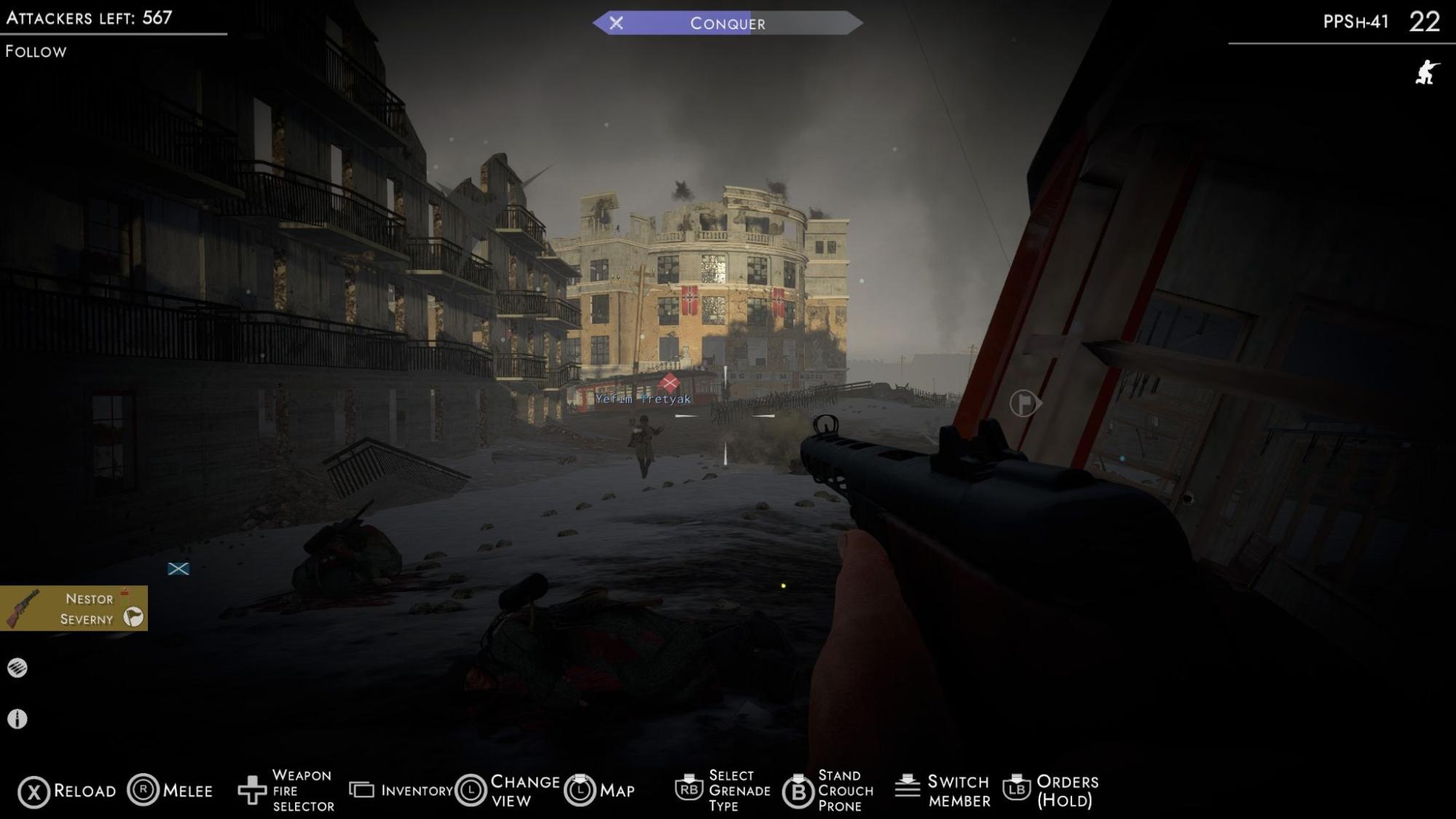
Vengence Begets Change Award - Dispatch by AdHoc Studio
Presented by Moguri
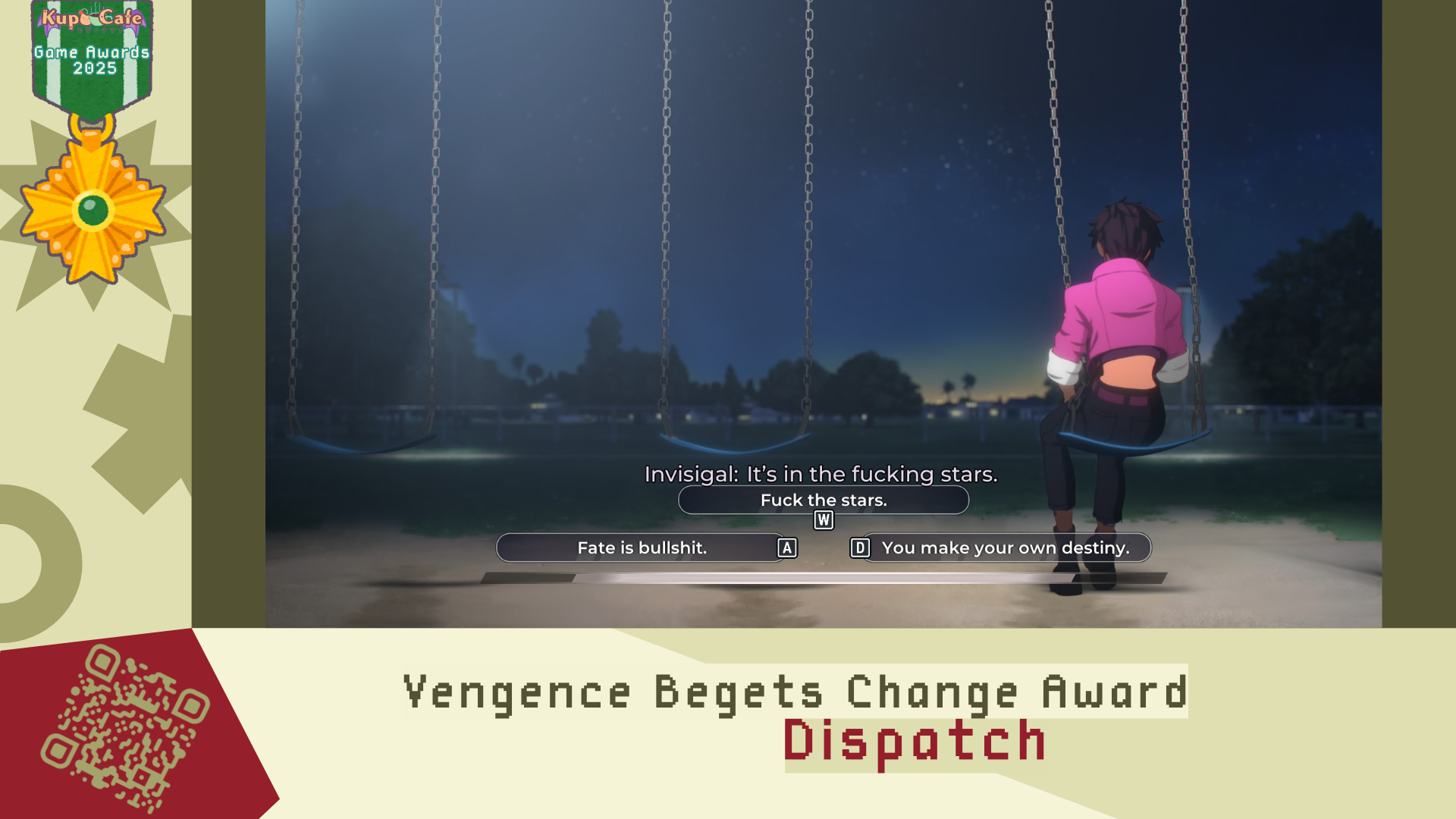
There's a lot of commentary out there that sums up my thoughts about Dispatch and how it is such a fantastic game and a unique game in its story even when put against the modern superhero stories from the most sanitized "for everyone" films and shows to the more realist and almost grunge-y ones. Dispatch, to me, stands out as a story about not so much redemption but rather on the desire to change and changing oneself despite and in spite of the complexities that make us human. Society pushes the idea of superhero and supervillain as a clear-cut line-in-the-sand distinction, much like the two hit MMORPG games City of Heroes and City of Villains. But what if there is something in between? Can there be something in between? I think Dispatch includes that dilemma well with their Phoenix Program, reforming people labeled as villains into something that benefits society.
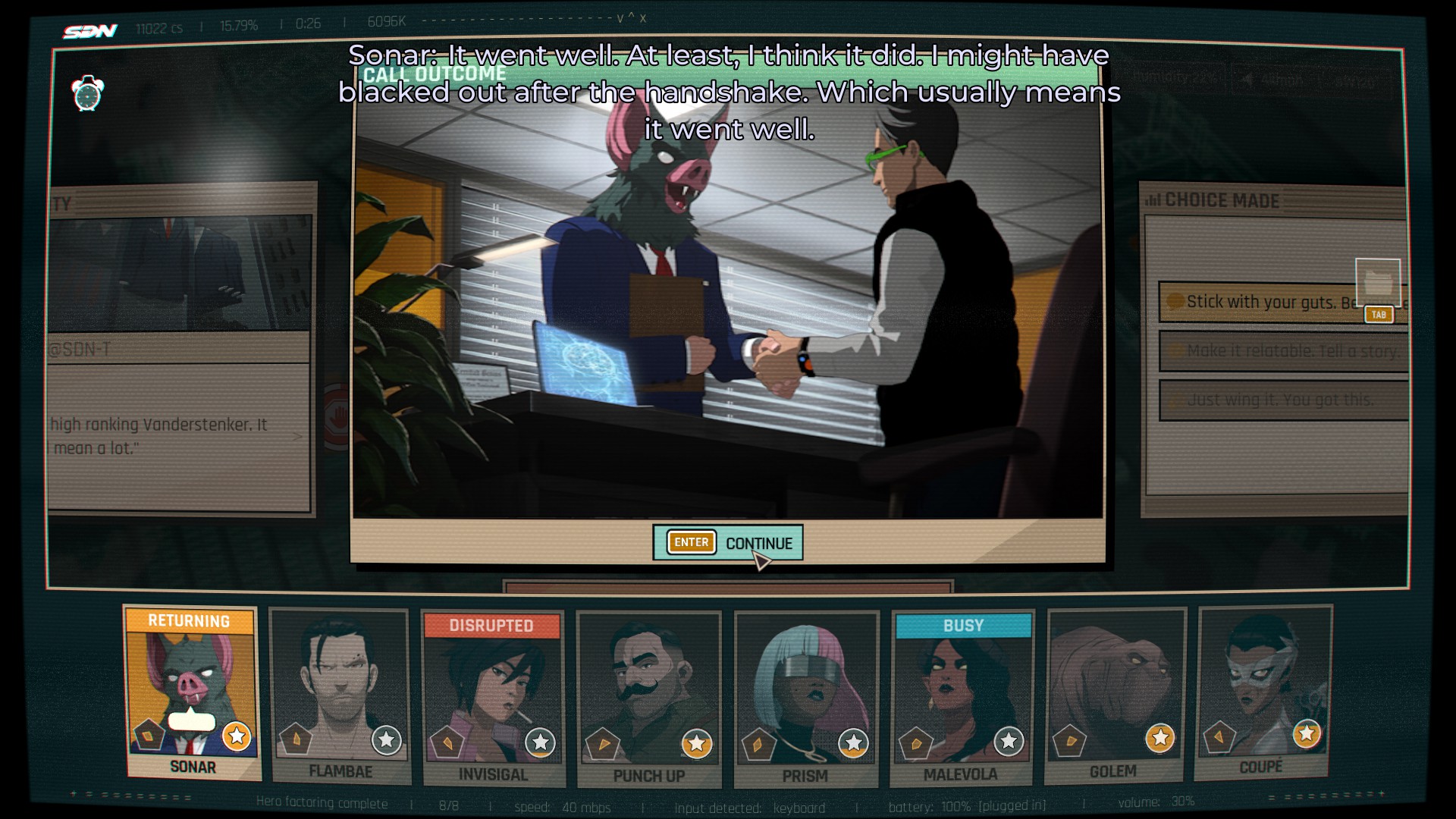
As the game progresses, relationships get formed and you get to know everyone's personality, what their deal is, and how to tick them off. What makes it interesting to me is the MC, Robert, is not a superhero through having real physical powers of his own, but rather a superhero through following the footsteps of his father and grandfather and saying to himself that this is all he knows. Once his powered suit is taken away from him, he picks himself up (or rather, an opportunity picks him up and forces him to make the right decision) and takes his hero morals and ideals and forces them onto his Phoenix crew.
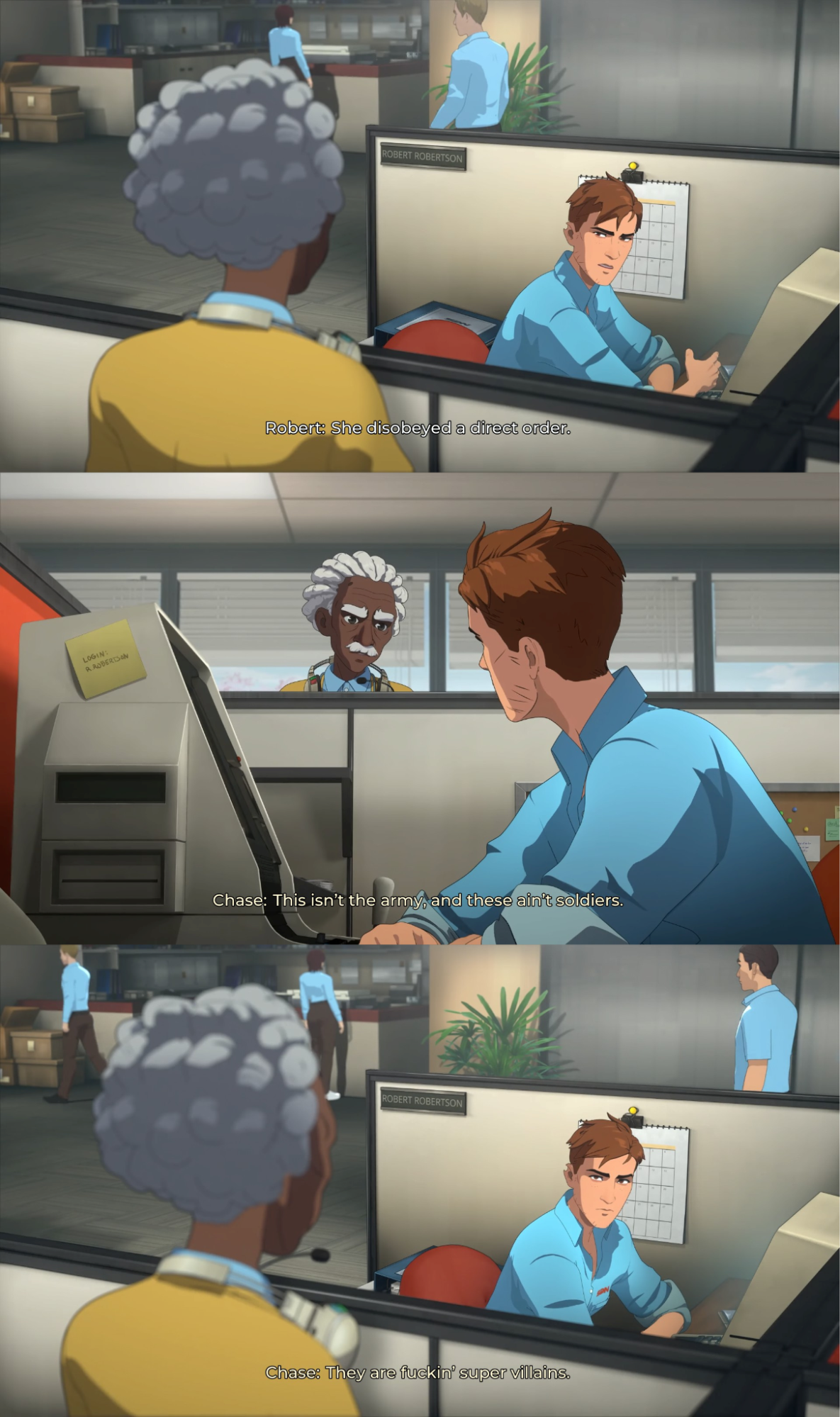
What you get is a story full of tropes and a hint of predictability, but one that's driving and captivating throughout. Choices and showcasing change is, after all, one of the strengths of a Telltale-style game, and this new dev team by those old hats at Telltale still has their touch.
Although I still feel like this has the same problems as a 1st season Telltale-style game like how choices feel like they matter in the short term then gets resolved rather quickly and never talked about again or like how romance plays a pretty significant role at times, I hope Dispatch gets its 2nd season as that's where I feel the choices really shine, especially the ones that carry through from the 1st game. Now that's Telltale gaming peak right there.
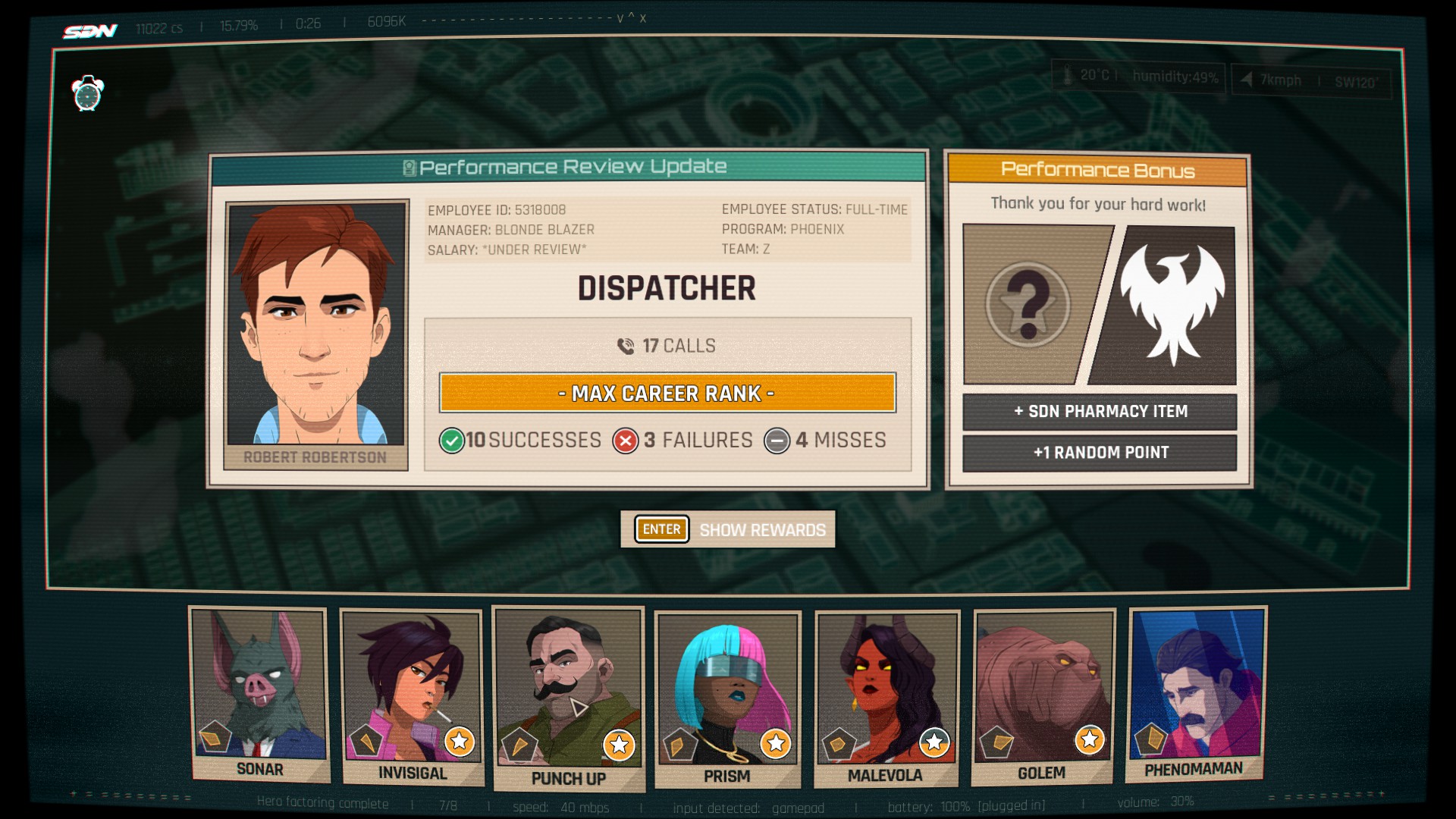
Again, there's a lot of commentary out there that doesn't need to be repeated here about how this is such a stellar game. I will say one last thing: my boy Sonar for life let's GOOOO!!!
Best Narrative Post-Game Award - No Sleep for Kaname Date – From AI: The Somnium Files by Spike Chunsoft
Presented by Moguri
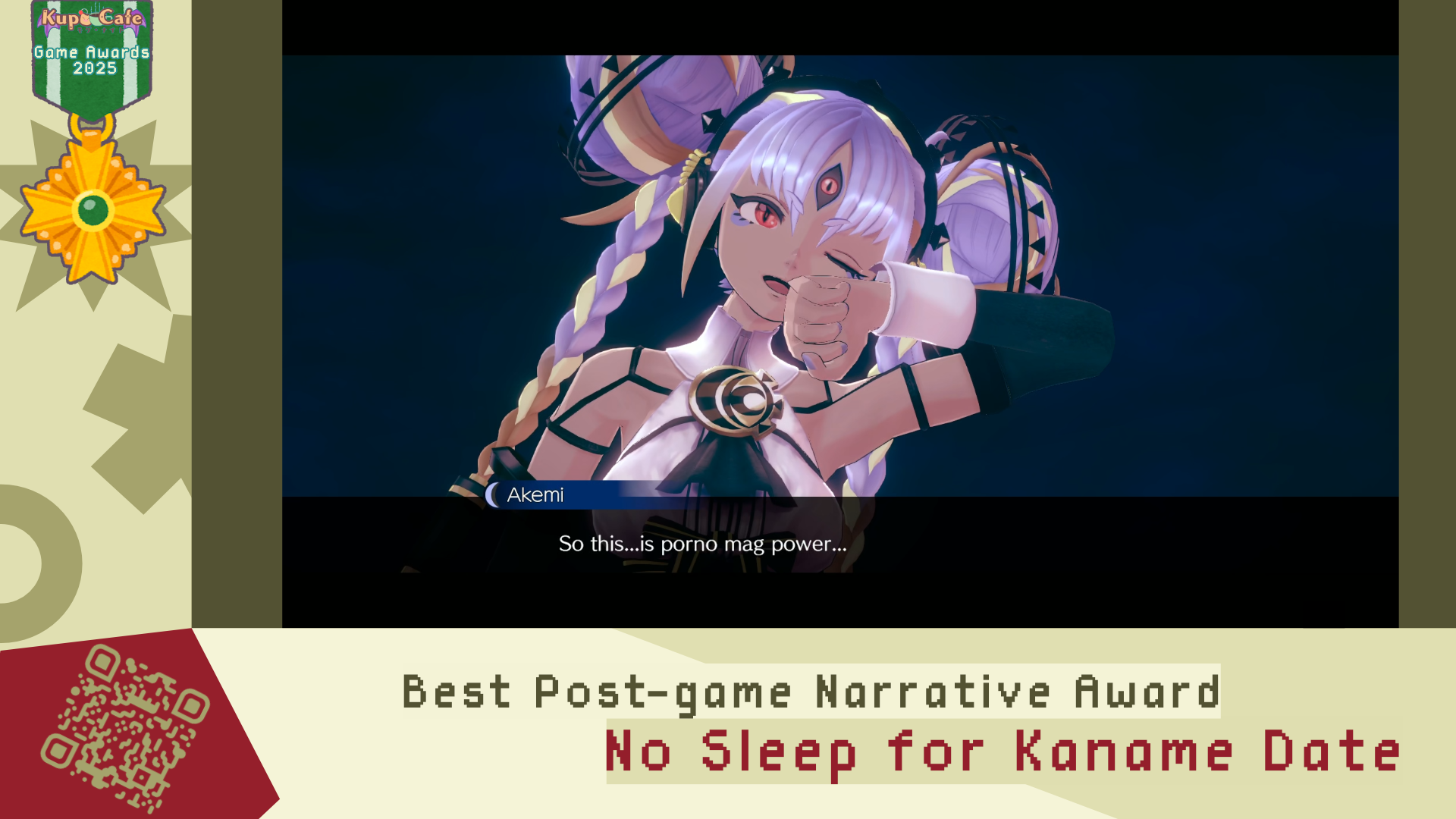
If you were following along on this award show journey, you know that I am a fan of AI: The Somnium Files. It's unique, it's corny, and it's a fun mishmash of Uchikoshi's brand of sci-fi and mystery and drama with a dash of whimsy and action sequences fit for a PS2/PSP-era game.
Although this third installment in this series was not written or directed by Uchikoshi himself, it still captures the same love and passion as the two others. Playing it all the way through with all the craziness and plot-twist goodness just made me realize how much I missed the OG cast of the 1st game, and seeing the cast of the 2nd game like little cameos was also such a good touch. No Sleep for Kaname Date is a game that you can totally play as a stand-alone spinoff, but it's so worth it if you play the other two in order.

Like how I wrote about the 2nd game in 2022's game award, I cannot say anymore about the story without giving it all away. But what I can and will say about it is that this game really rewards you once you beat the full story in a way that I don't ever really see in a narrative story game like this. Once you beat the game and unlock every ending (which is easy to do with all the checkpointing and its own checklist in-game if you don't want to check the achievements you got), you get I would say an hour or two of bonus content. 12 little interactive epilogues, and 5 NVL-style stories, the old-fashioned ones like in SNES or PS1 era where it's just a prerendered image, silhouettes, and a whole block of text over it. Voice acted, too. Plus the little BTS album and the dance viewer of the big finale number because of course. If you got the tech, why not add it in?
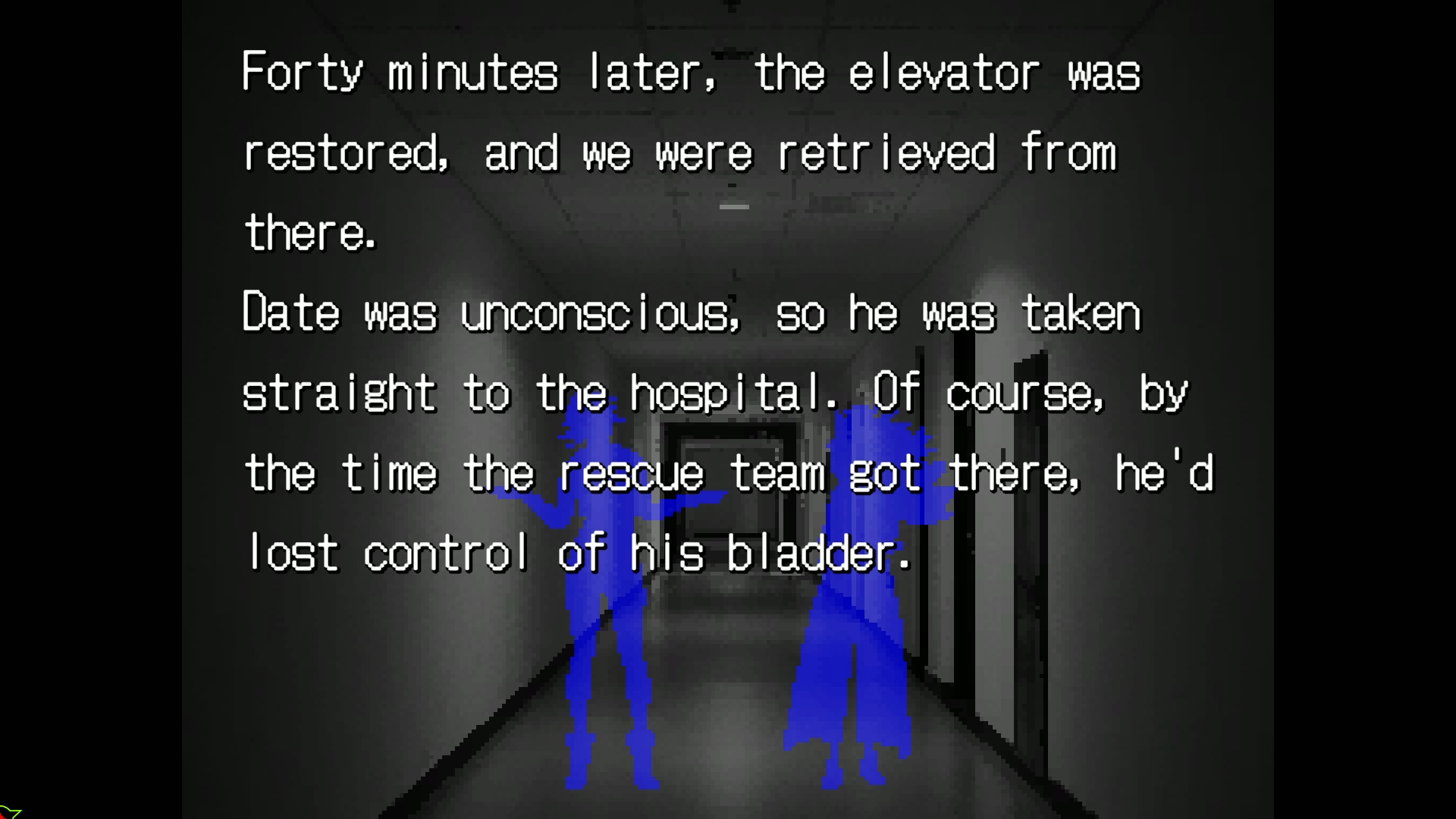
While the 12 interactive epilogues are fun and give you one last hoorah with the small but still amazing cast, the novel stories just really take the cake. I spoke about this before, but sometimes the best stories are the ones where your imagination fills in the blanks. You don't need to see everything in front of you, and once you engage your creative mind then a story becomes interactive and more personal. Living through that SNES-era with 16-bit and low-poly graphics where graphics couldn't show everything, having that limitation, I think, is what impacts a story even harder for us.
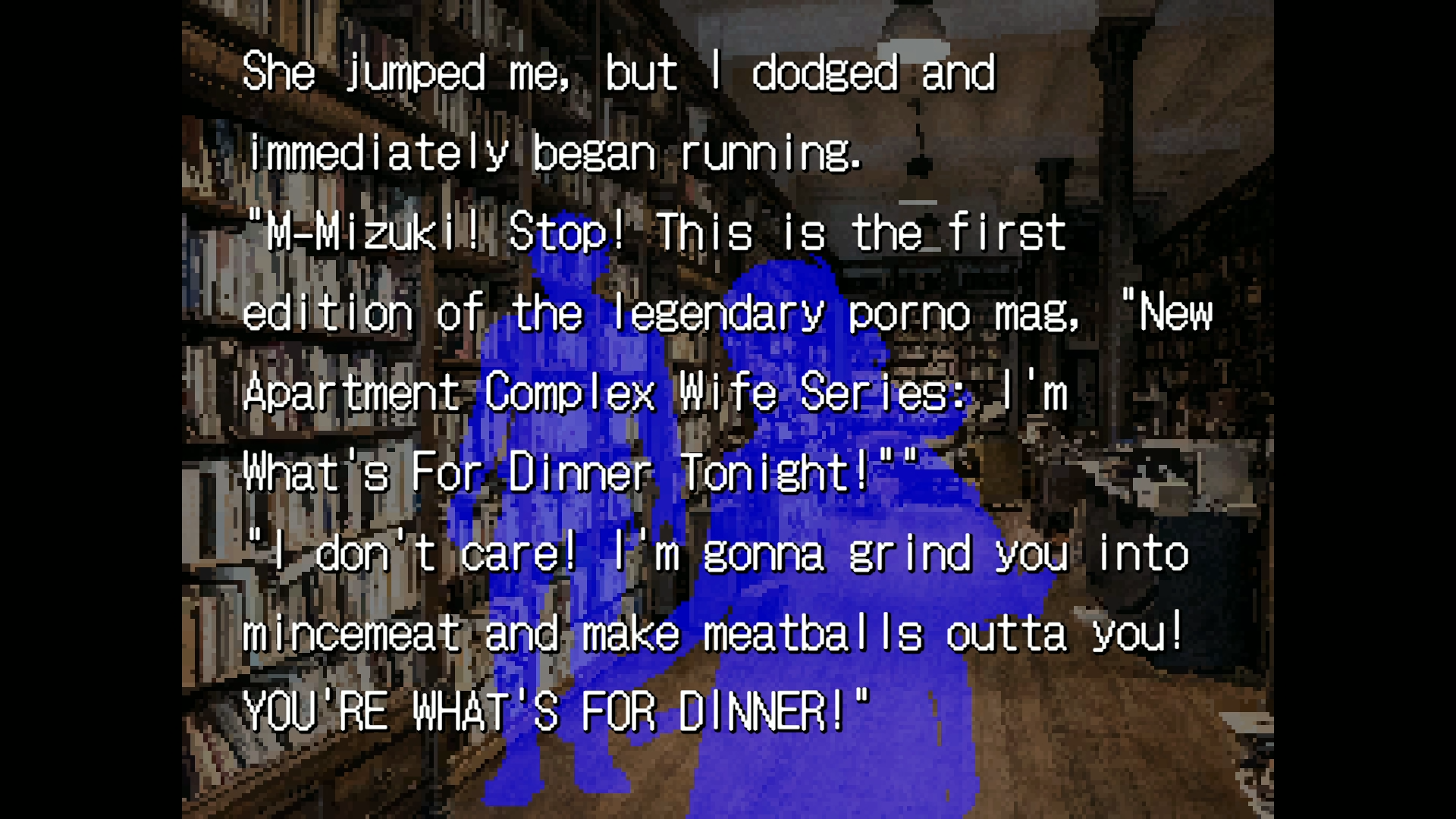
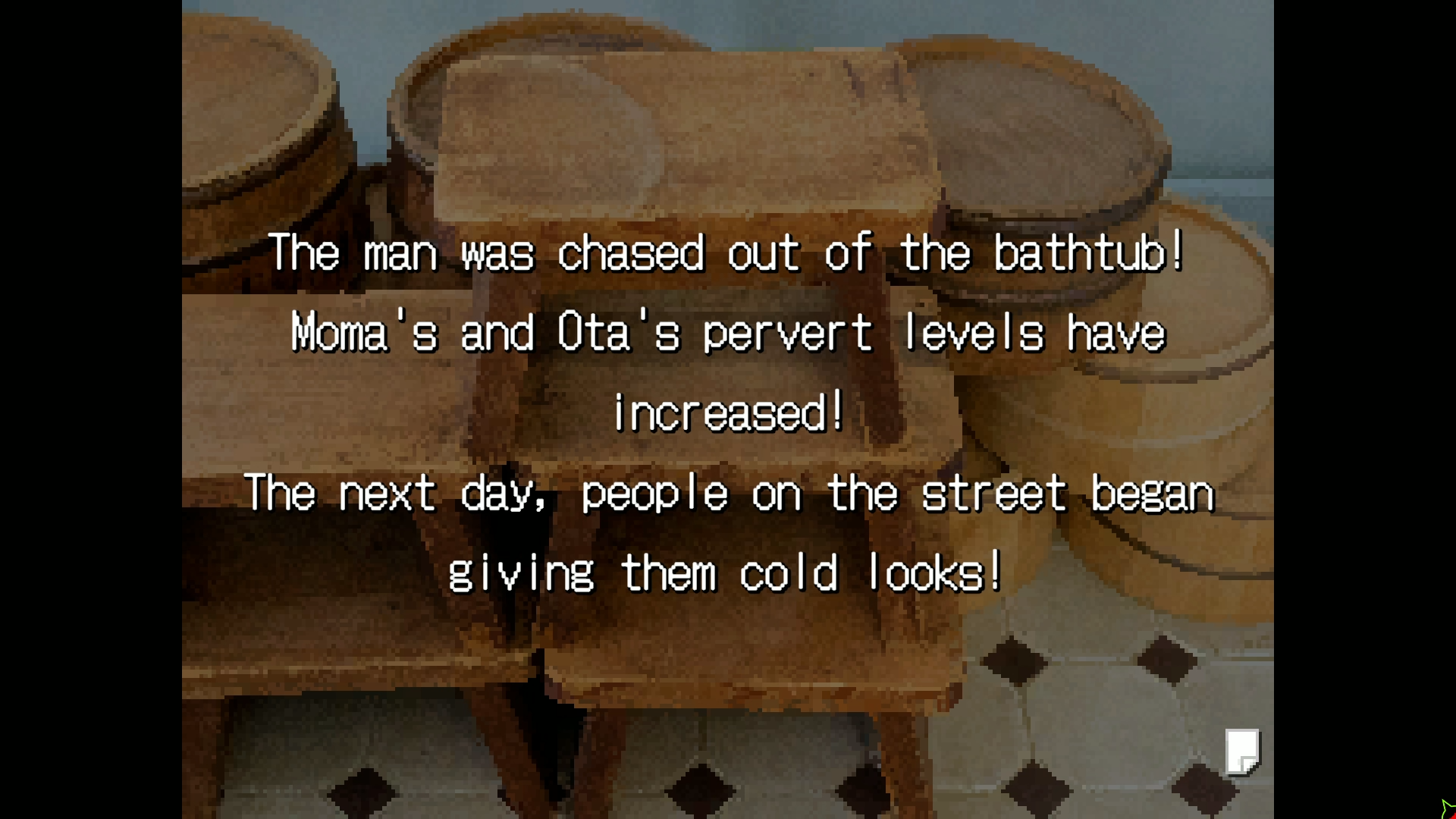
Whether it be Date going on a hunt for treasured porno mags or escaping to his favorite tourist trap with the hot receptionist or solving a hot springs mystery or, my favorite, his first encounter with the new intern who Date does not remember this happening because he was both drunk and knocked out over taking a leak while both of them are trapped in an elevator - these stories were the real standouts of the entire game. It was worth it to see the main story all the way through, and it felt like a really cool reward to actually get bonus content that actually feels like substantial content.
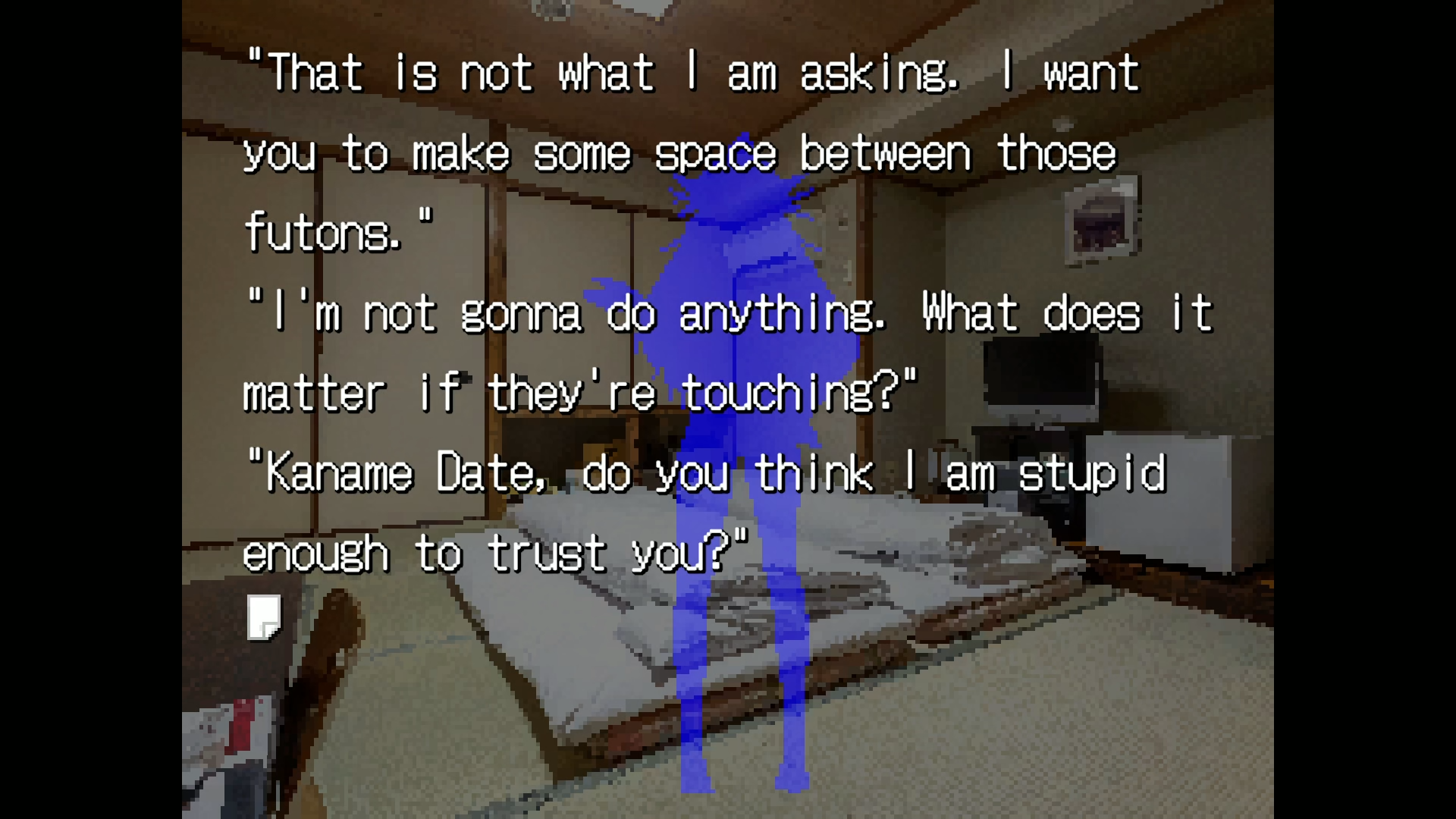
If No Sleep for Kaname Date to me feels like a spinoff episode between Sominum Files 1 and 2, the bonus content is the beach episode within it. Uchikoshi, you've done it again. (Well, his team really so kudos to them).
Everyone Can Make a Good Fallout Game Except Bethesda - Fallout: London by Team FOLON
Presented by Andrew
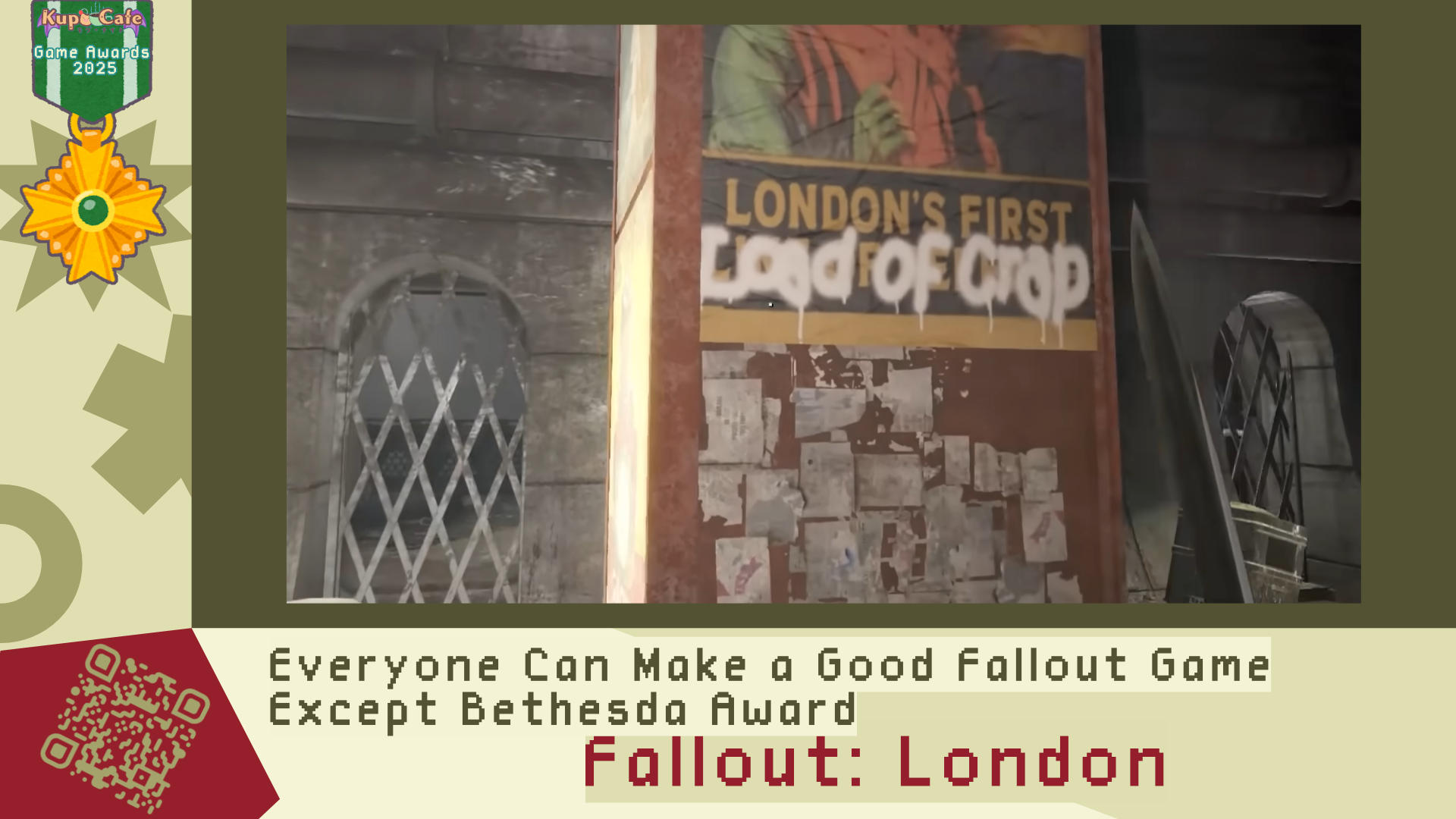
The Fallout series in general has been on a weird trajectory in the last decade. Bethesda buys the series from the defunct developer, Black Isle. Makes a noteworthy but flawed game in Fallout 3. Bethesda then allows Obsidian to make Fallout: New Vegas, a flawed masterpiece, though a high watermark for the series. Bethesda develops Fallout 4, a Next Gen update but was critically reviewed for some divisive decisions. What was next in the series was a mobile game and MMO spin-off of varying quality depending on when one engages with the content.
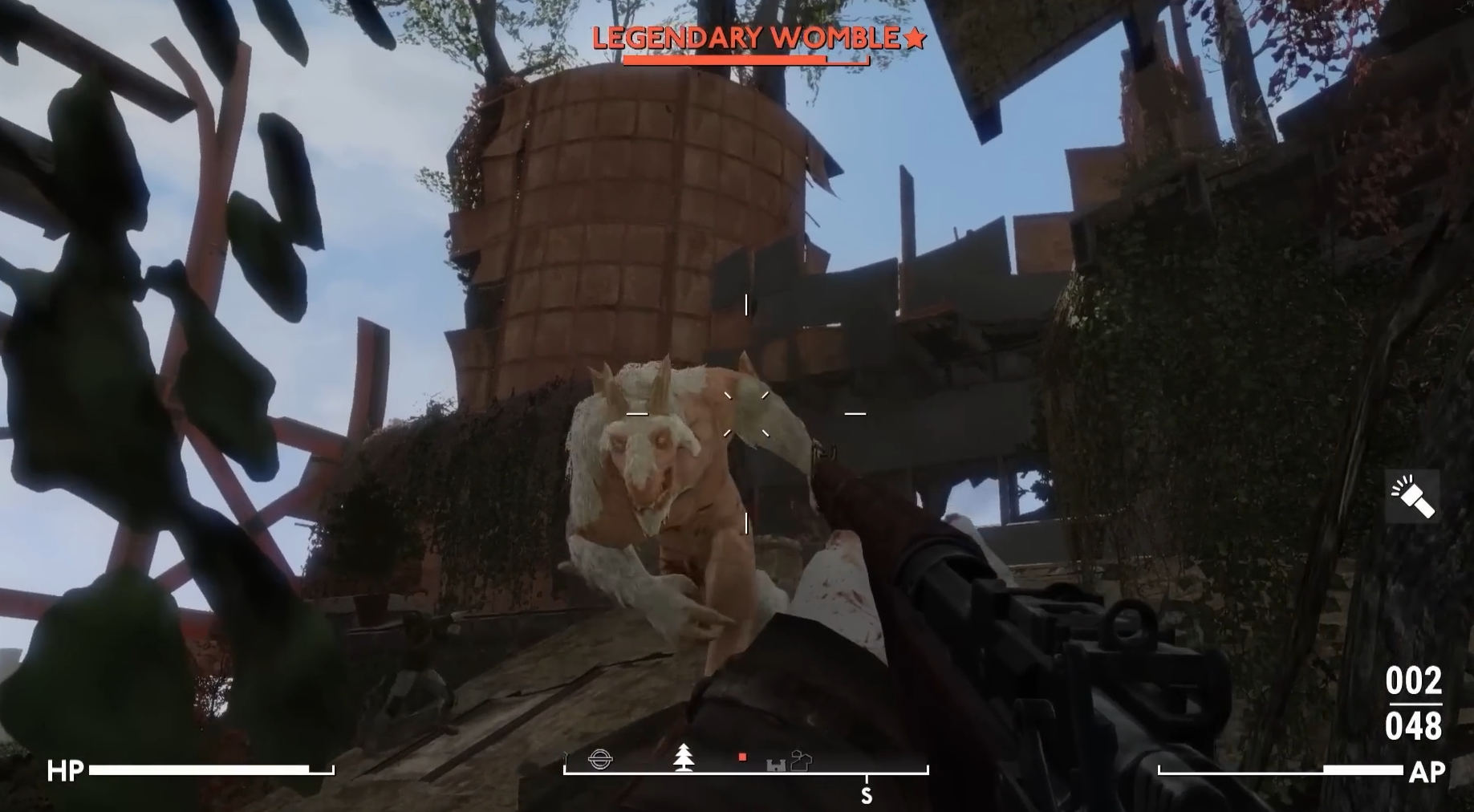
All this tees us up for 2024's release of Fallout: London, an independent mod built by Team FOLON. I had heard rumblings and saw some early gameplay and was really impressed by the overhaul. When it was finally released, it came out as pretty unstable and people were reporting numerous bugs and crashes. It was built off a Bethesda game after all, so what else was new? So I decided to sit on it and wait until the murmurs quieted down and see patch notes that had updated stability and fixed bugs.
Fallout: London, is what it is on the label. The creators call it a DLC, but from my experience, it is an entirely new standalone game on its own. It uses Fallout 4 as its skeleton, but the majority of the city of London, like Boston and D.C. before it, is modeled and scaled to feel like a genuine exploration of the city in this setting. I have never been to London, nor would I say I am familiar with its layout. But with references from satellite images and some creative liberties, it feels Ike I'm more familiar with the real city than before.
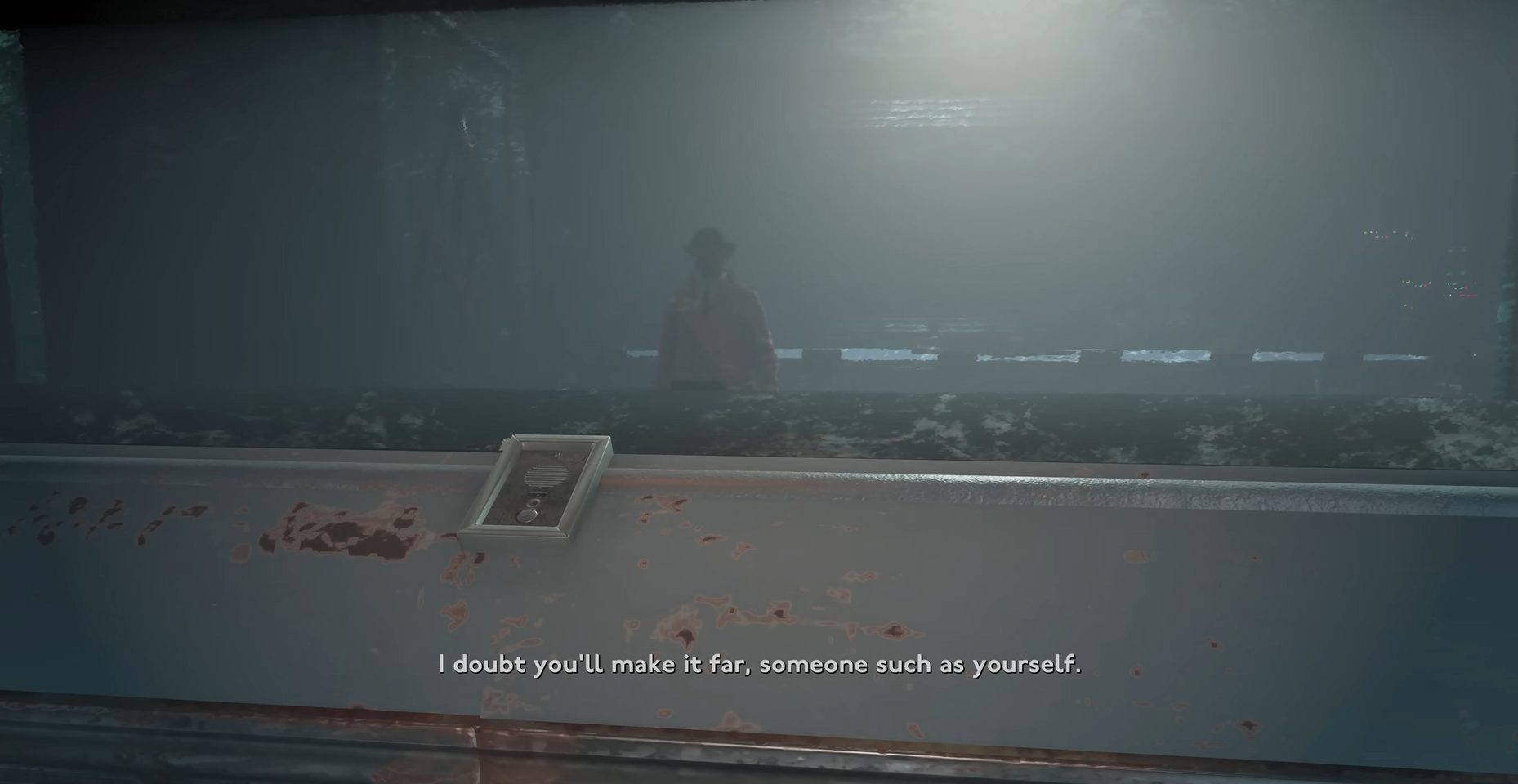
Fallout: London's premise follows similarly to previous iterations. You awake from a cyrogenitic sleep by a mysterious Agent Smith. You find an ATTA-Boy, the English version of a PIP-Boy, equipped with all the useful features one expects. After escaping a destroyed lab with no other living survivors, you manage to escape to London's tube system and break out onto the surface. The story after this point opens up with a few throughlines that you can investigate at your own leisure. There are mysteries around your fate, factions to interact with, and a whole ruin of London to explore.
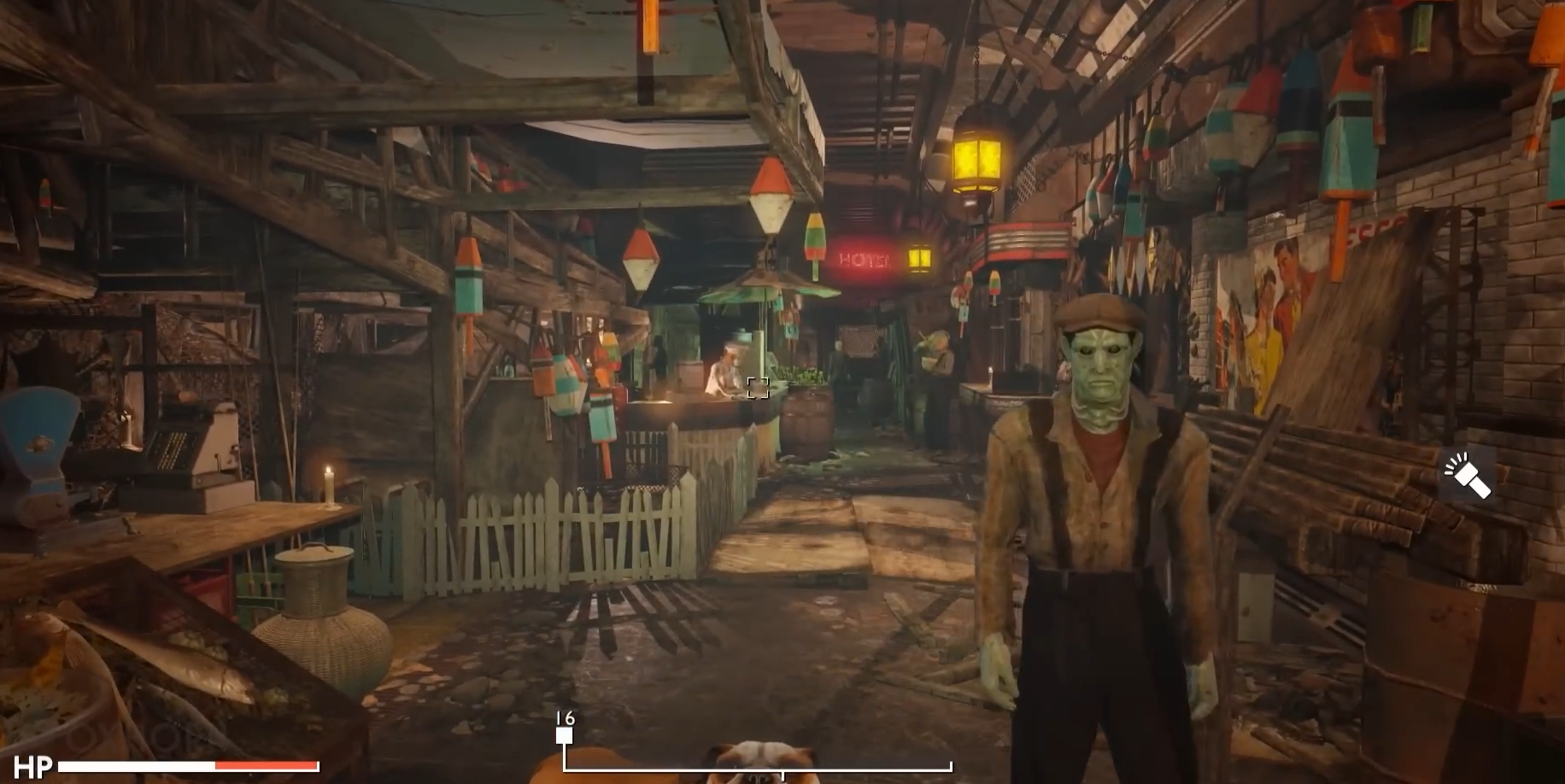
FOLON gameplay mirrors Fallout 4's in most aspects, its been awhile since I played F4 but I can't recall any major changes. What FOLON has added to supplement its gameplay is a huge variety of weapons and a revamped perk system. One of my biggest gripes with F4 is that it relied too heavily on its customization mechanics to make up for the lack of variety in its weapon catalog. As a pre-Cold War small arms enthusiast seeing weapons like the Lee-Enfield, EM-2, and the PIAT. Combined with native designs for the laser and plasma weapons, there is some more flexibility for interesting loadouts, not to mention the amount of new melee weapons available.
Scavenging is also as prevalent as ever. FOLON keeps the same basic components but adds some unique flavor so that even the junk around the city is a little more British.
The structure of the narrative is pretty open-ended, taking quests as you see fit. Some standouts to me are the Thamesfolk, fish people who run a great underground settlement that was the base of operation in the early gameplay due to convenient storage and well-equipped merchants. Other quests like a lost submarine, or a call for help from a child are well-written and fun to go through with plentiful rewards. One last mention goes to the Crystal Maze quest, which as an avid maze goer, tickled me pink. Though I would say I did run into a few bugs on this one.
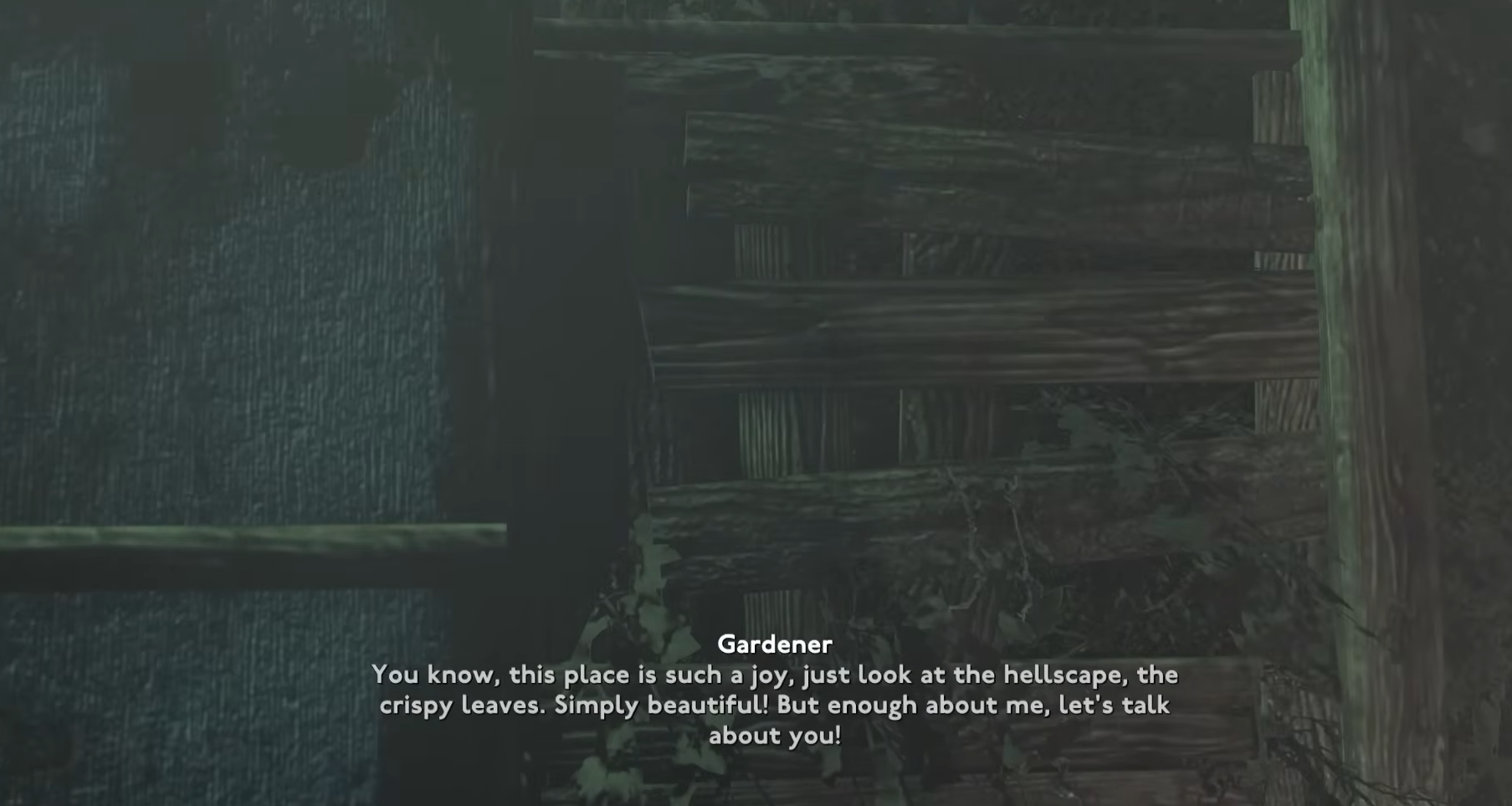
FOLON is a fantastic return to form for the series. The team really went above and beyond with both the broad strokes of keeping this in line with the Fallout universe while adding a lot of individual charm to the world they created. A few instances come to mind: There is more voice acting, with the appropriate accents than one would expect from a game of this size. Radio Stations have appropriately been changed, while some of it was not for me, I really enjoyed the classical music station with its interstitial chime, very retro, very cool. All of the companion quests are well-written and have some very thoughtful writing (Kiera, specifically).
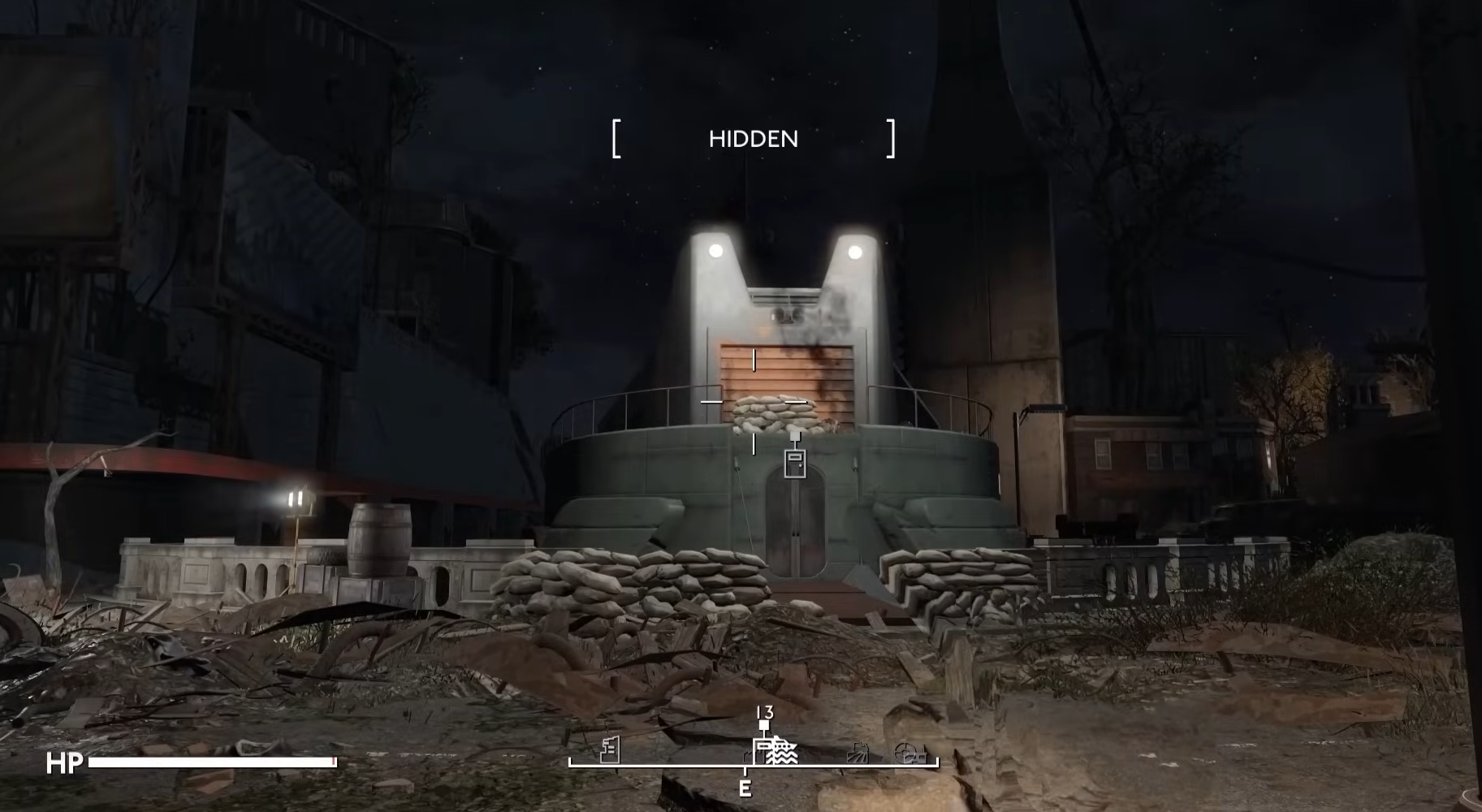
At this point, I must confess that I actually haven't finished the game. Its just too big! I've been scrapping every bit of content out of this. I've been playing this as any other Fallout game, trying to maximize as much as I can from its quests, writing and loot system. Minmaxxing where I can and just trying to have fun. I did clock in more than 70 hours across my main save. While a couple times I've had some hiccups, especially with bugs and missing mission triggers, I am able to overlook this in the face of overwhelmingly good product. I often think about what would be next for this team, they keep releasing updates to FOLON but with such talent and know-how and the precariousness that the modding community is in when it comes to overprotective corporations, I would hate to see legal action against what is an unofficial product extension.
So much noise about Fallout these days, with the success of the Fallout TV show, people are now more than ever clamoring for a new entry in the series. Judging that Bethesda is putting all its production might into Elder Scrolls 6, a new mainline Fallout 5 is easily years away. For now though, Fallout: London is the next best thing, so if you're curious, now is as good time as any to hop aboard. Just mind the gap.